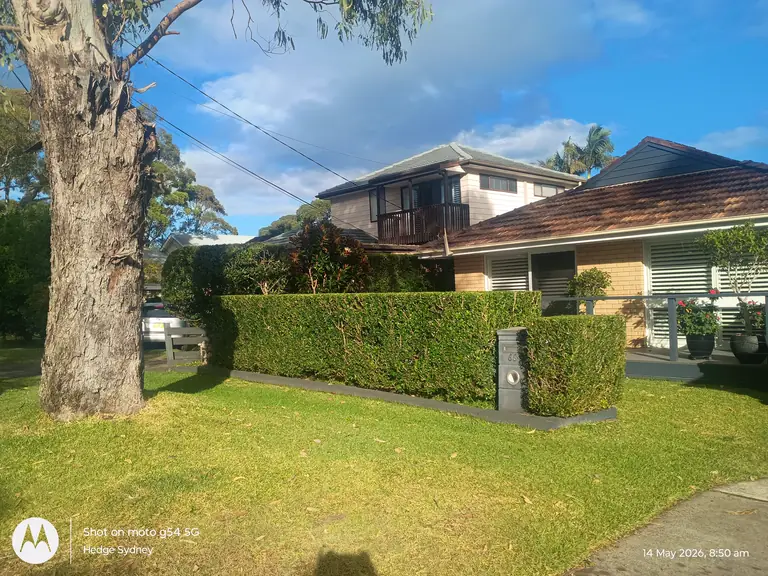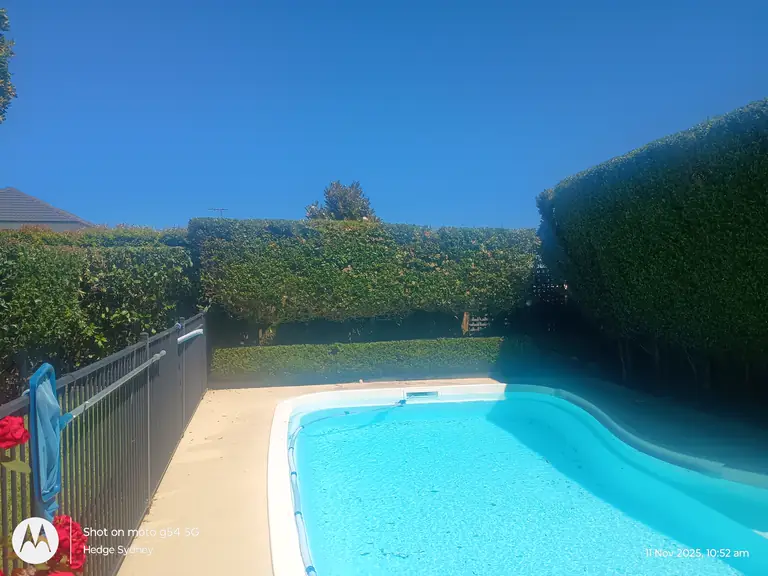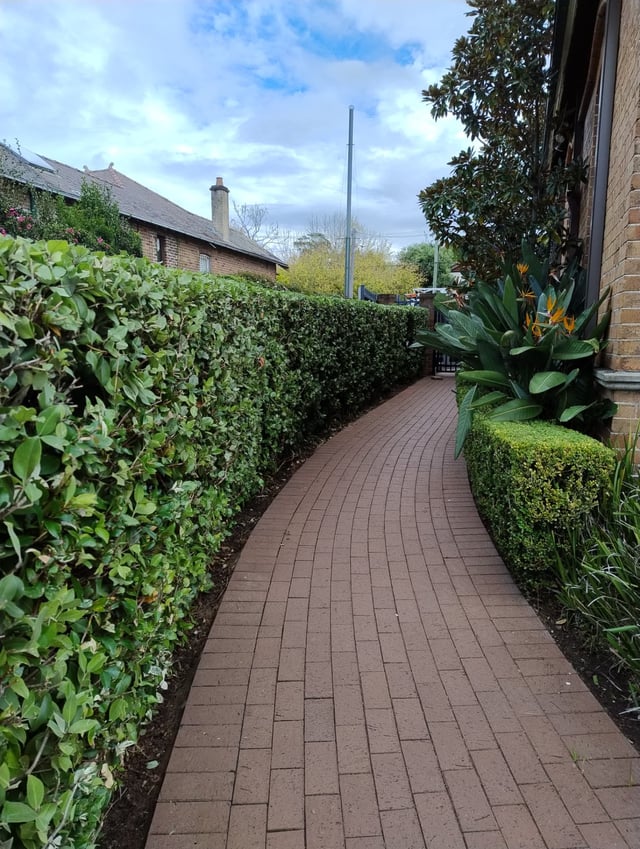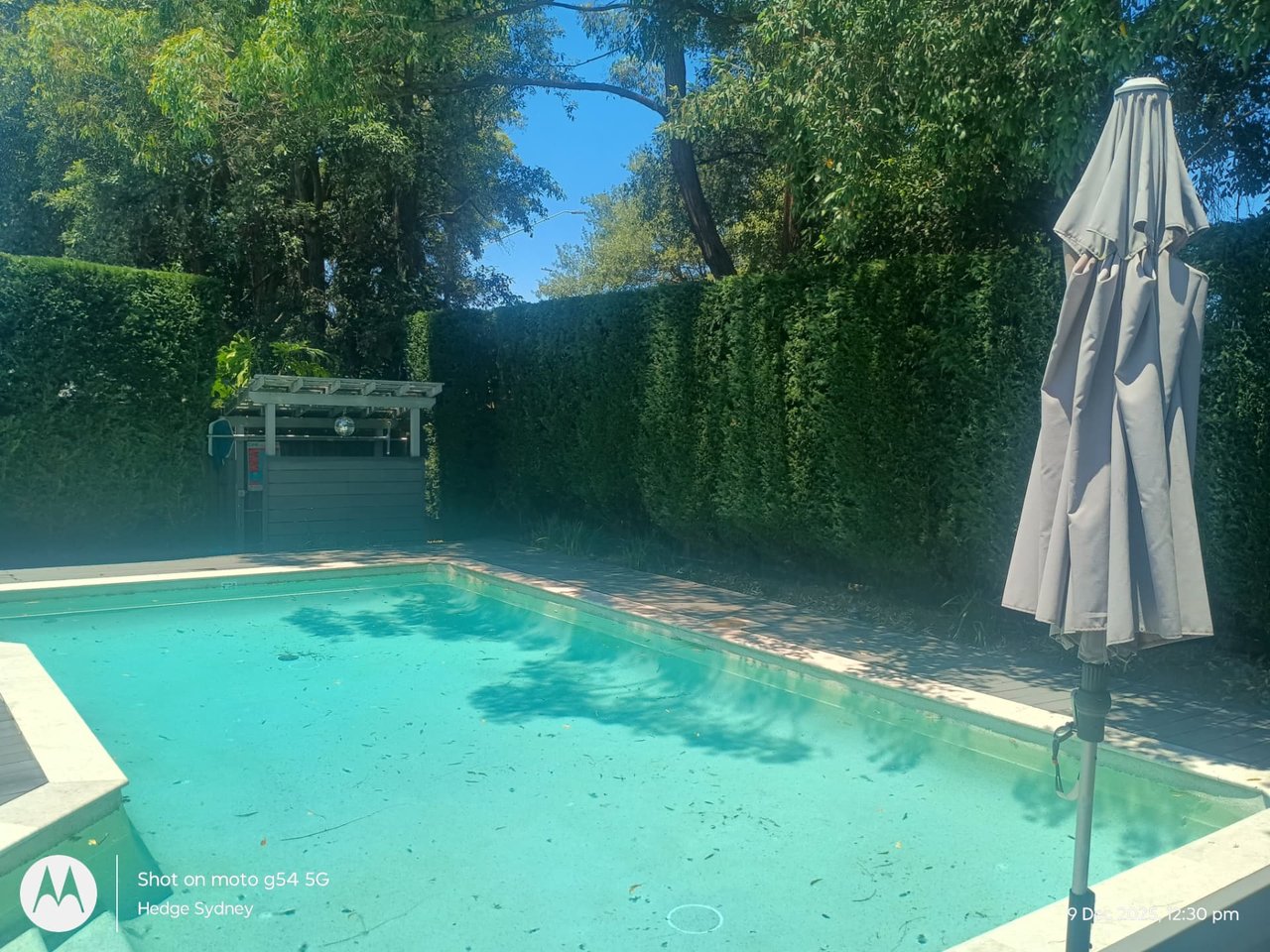
A new hedge is a long-term part of the garden, so plant selection and installation deserve more thought than simply choosing the fastest-growing variety at the nursery. The finished screen needs to suit the available width, sunlight, soil, exposure and level of maintenance you are prepared to provide. Hedge Sydney can supply many of the most popular hedging plants in our range, deliver mature stock to your Sydney property and install it as a properly planned hedge rather than a row of unrelated plants.
Our service can cover the complete process: assessing the position, discussing the height and style you want, recommending suitable species, calculating quantities, sourcing consistent plants, arranging delivery, preparing the planting line, installing each plant at the correct level, watering in, mulching and carrying out the first formative prune when appropriate. This joined-up approach matters because even excellent nursery stock can struggle when it is planted too deeply, spaced incorrectly or put into compacted soil without reliable watering.
Start with the purpose of the hedge. Privacy is often the priority, but it is useful to be precise. Do you need to screen a neighbouring window at 2.5 metres, soften a pool fence, create a low formal edge, hide a service area or establish a narrow green wall beside a driveway? A tall screen has different plant and spacing requirements from a 600 mm border hedge. We also look at how much width the mature hedge can occupy without obstructing paths, vehicles, gates, windows or pool access.
Popular hedging plants we can supply. Murraya is a Sydney favourite for a dense, glossy, fragrant hedge. It responds well to regular clipping, performs best in sun or good natural light and suits front boundaries, driveways and traditional garden screens. Its warm-season growth can be vigorous, so it is best for owners who are comfortable with routine trimming. Good soil and regular water while young help Murraya become dense from the base rather than tall and sparse.
Lilly Pilly is a versatile Australian choice for privacy, boundaries and taller green screens. Different cultivars vary greatly in mature width, leaf size and resistance to psyllid, which is why the variety name matters as much as the words Lilly Pilly. Narrow selections can suit confined beds, while fuller cultivars make substantial screens where there is enough soil volume. Bronze or red new growth adds seasonal interest, and established hedges respond well to regular formative trimming.
Viburnum is useful when fast, broad-leaved screening is required. Its large evergreen leaves produce a lush wall quickly in suitable conditions, and it can recover from stronger pruning better than many conifers. However, Viburnum naturally wants to become a substantial shrub. We recommend it where there is enough bed width and where the long-term hedge size has been considered, rather than squeezing it into a very narrow strip and relying on repeated hard reductions.
For a finer-textured or fragrant hedge, Star Jasmine can be an excellent option. It stays evergreen, produces scented white flowers and can be maintained as a low or medium hedge, or trained along support wires as a slim screen. It tolerates more shade than many traditional hedging shrubs. We supply mature Star Jasmine plants in a 300 mm pot at approximately 1.7 metres tall, giving a new planting useful coverage from the beginning instead of starting with small tubes.
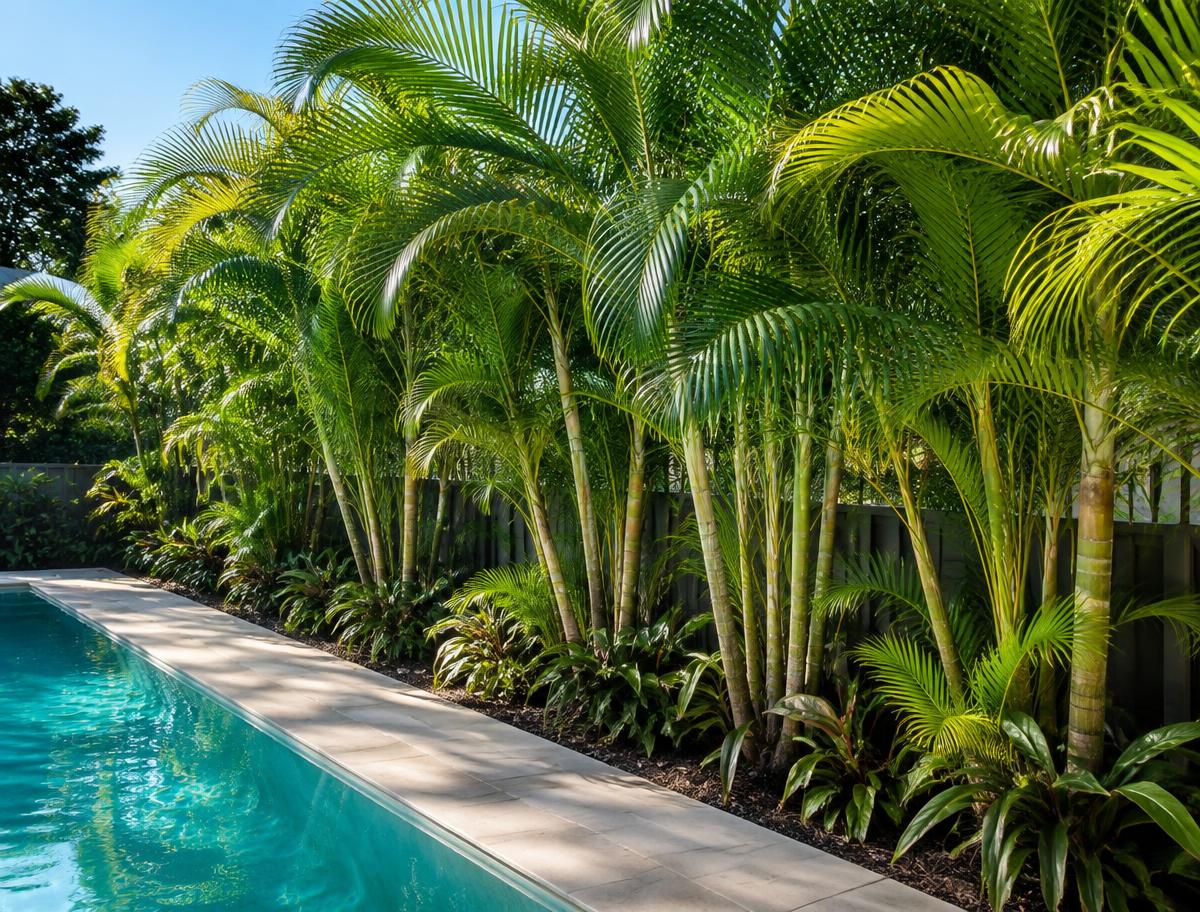
Where a softer tropical screen is preferred, Golden Cane Palm creates a dense clump of golden stems and arching green fronds. It is particularly effective around pools, courtyards and sheltered fence lines. It is not clipped like a formal hedge; maintenance involves removing old fronds and selectively taking out tall canes at ground level. Our mature plants are supplied in a 300 mm pot at approximately 1.7 metres tall, priced per plant with GST included.
Magnolia Little Gem combines glossy evergreen foliage, bronze leaf undersides and large fragrant white flowers. It can make an elegant screening row or an informal hedge where there is room for its structure. The growth rate is more measured than Viburnum or Lilly Pilly, but the result is refined and architectural. Our available Magnolia Little Gem plants are supplied in a 300 mm pot at approximately 1.5 metres tall, providing immediate presence while still being manageable to install.
Pot size and supplied height are not the same thing. Pot size describes the container, while supplied height describes the plant you can see above it. Two plants in 300 mm pots can differ noticeably in height, fullness, branching and root development. For a hedge, consistency is especially important: a batch with similar height and density establishes more evenly and is easier to shape into one continuous line. We specify both pot size and approximate supplied height on our plant pages so you can compare the actual starting point, not just the container label.
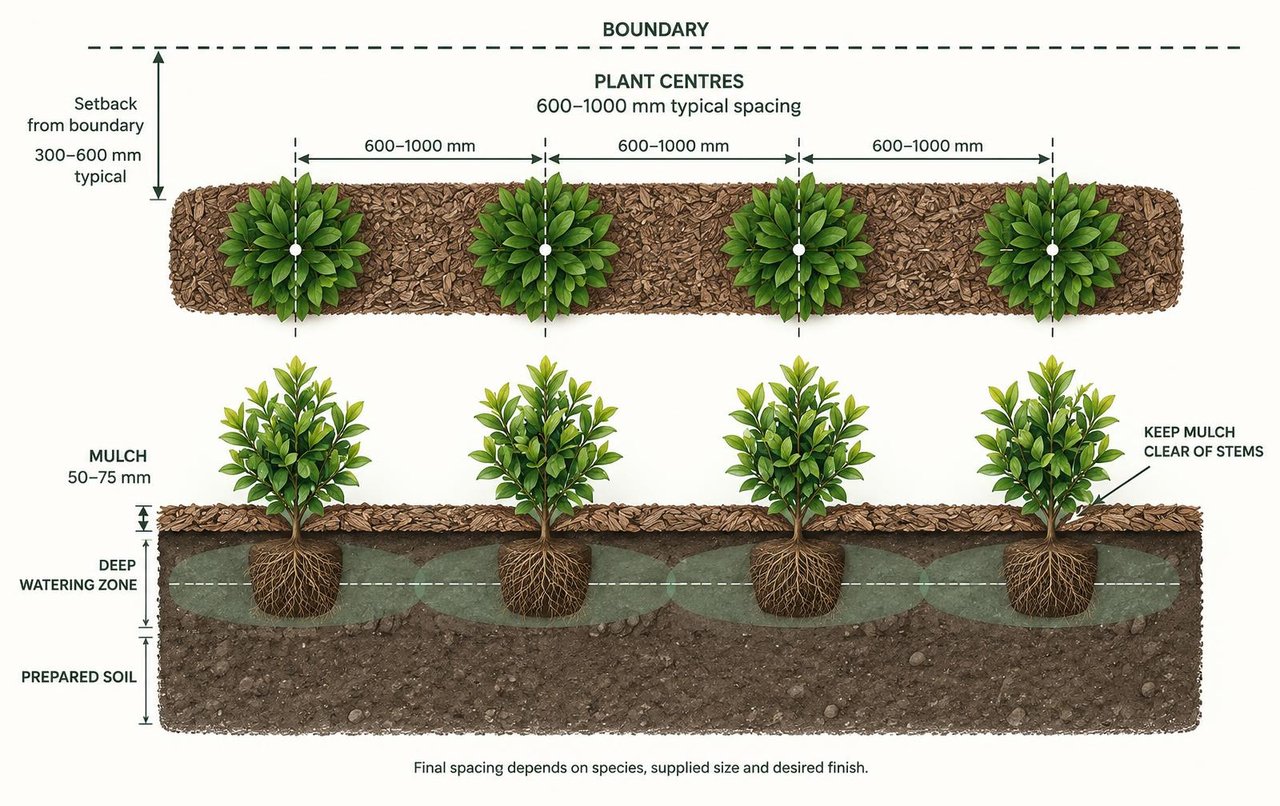
How we calculate quantity and spacing. Plant numbers are based on the usable hedge length and the recommended distance between plant centres. As a simple example, a ten-metre line planted at one-metre centres generally needs about ten plants, although end positions, gates, corners and existing structures can alter the final number. Closer planting gives more immediate coverage but is not automatically better: overcrowded plants compete for water and nutrients, lose airflow and can become difficult to maintain. Wider planting costs less initially but takes longer to close. The correct balance depends on the species, supplied size and desired finish.
The diagram shows the principles we use when setting out a planting line. Measurements are taken centre to centre, plants are held back from the boundary so the future hedge can be trimmed, and the root balls sit at the existing soil level rather than being buried. A continuous mulch layer protects the root zone, but mulch is kept clear of stems. Water is applied deeply across the developing root area, not only against the trunk. The 600–1000 mm spacing shown is a common range for many screens, not a universal rule; your final specification should follow the chosen variety and site.
Professional ground preparation makes the difference. Before planting, we check access, drainage, existing roots, buried services and the condition of the bed. New-build sites often contain compacted subsoil or construction debris that restricts root growth. Where necessary, the planting line is opened and improved rather than digging isolated holes into hard ground. Organic matter can improve structure, but amendments need to suit the existing soil; filling every hole with rich compost can create a water-holding pocket in poorly drained clay.
Each root ball is thoroughly watered before installation, positioned at the same depth it grew in the pot and backfilled without leaving air pockets. We avoid burying the stem or piling mulch against it, both common causes of decline. Plants are aligned before final backfilling so the row reads as one hedge from the important viewing angles. Where stakes are genuinely needed, they are installed without rubbing the stems and removed once the roots can support the plant.
Watering and establishment. A newly planted hedge has a limited root zone and cannot be treated like an established garden. It needs slow, deep watering that moistens the entire root ball and surrounding soil, with frequency adjusted for weather, drainage and species. Hot wind, reflected heat from paving and summer planting can increase demand dramatically. Automatic irrigation is valuable only when its coverage is checked; a short spray that wets leaves and mulch without reaching the root ball gives a false sense of security.
Mulch helps moderate soil temperature, conserve moisture and suppress weeds, while a suitable slow-release fertiliser can support new growth once the plants are settling in. We also explain the signs to watch for: wilting despite wet soil may indicate poor drainage, dry root balls suggest inadequate watering, and uneven growth can reveal blocked irrigation or local soil problems. Catching these issues during establishment is much easier than replacing sections later.
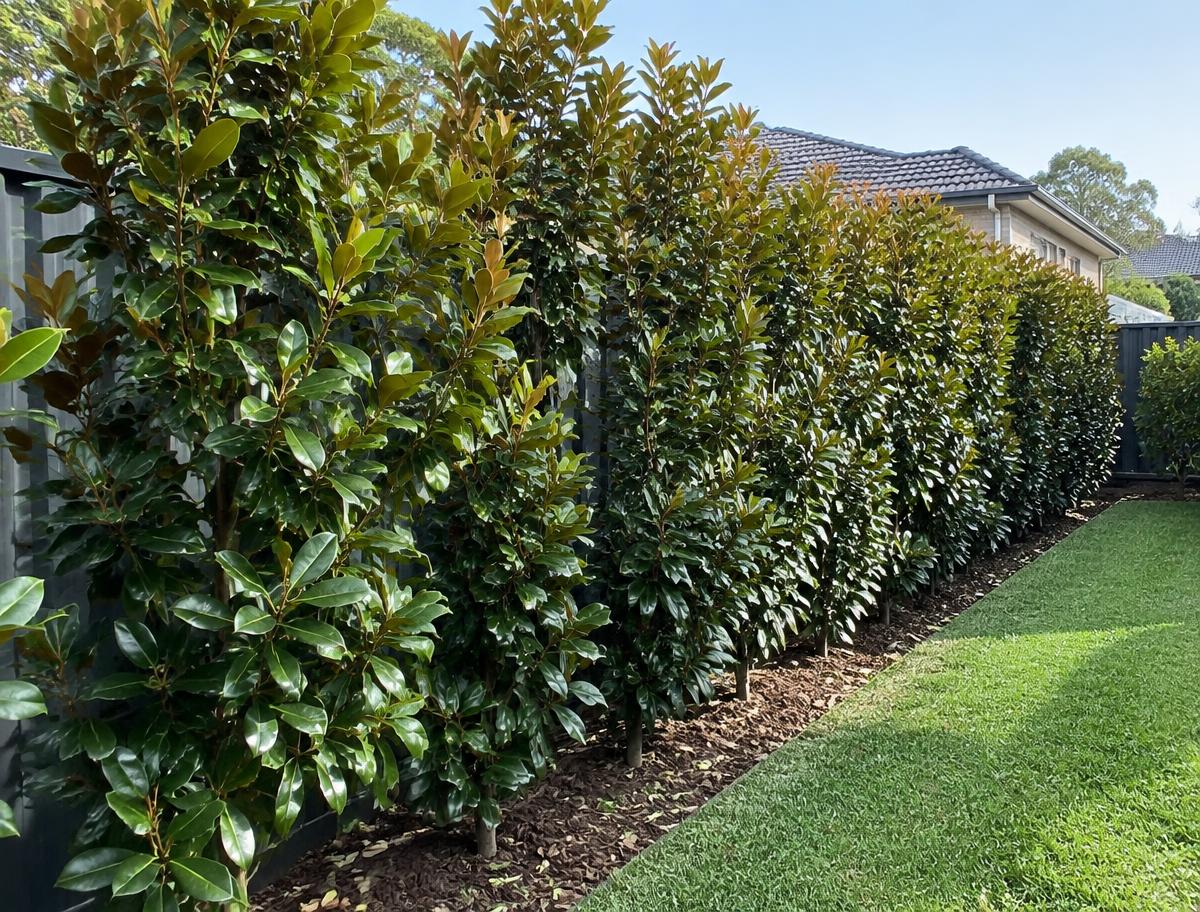
The first trim builds the future hedge. It is tempting to avoid pruning until plants reach the final height, but light formative pruning encourages branching and density. The timing and amount depend on the species and season. Murraya, Lilly Pilly and Viburnum generally respond well to tip-pruning during active growth, while Magnolia and Golden Cane Palm require a more selective approach. The aim is not to force an instant hard outline; it is to build a balanced framework that will fill from the bottom and remain manageable.
Supply only or supply and installation. Some customers have a gardener or prefer to plant themselves, so we can discuss plant supply and delivery separately. For customers who want one team responsible for the result, our supply-and-installation service removes the guesswork around quantities, spacing, transport and planting. Mature stock can be heavy and awkward, particularly when access involves steps, narrow side passages or raised beds, so those conditions are considered when preparing the quote.
The best hedge is not necessarily the fastest or the tallest plant available. It is the species that fits the site, begins with healthy consistent stock, is installed into suitable soil and receives the right care through its first year. That combination creates a denser screen sooner and reduces avoidable maintenance problems later.
If you are planning a new hedge, send us the hedge length, suburb, photographs of the planting area and the approximate height you want. Hedge Sydney can recommend suitable options, calculate plant numbers and provide a clear quote for supply, delivery and professional installation. View our hedging plants or contact us today to get started.