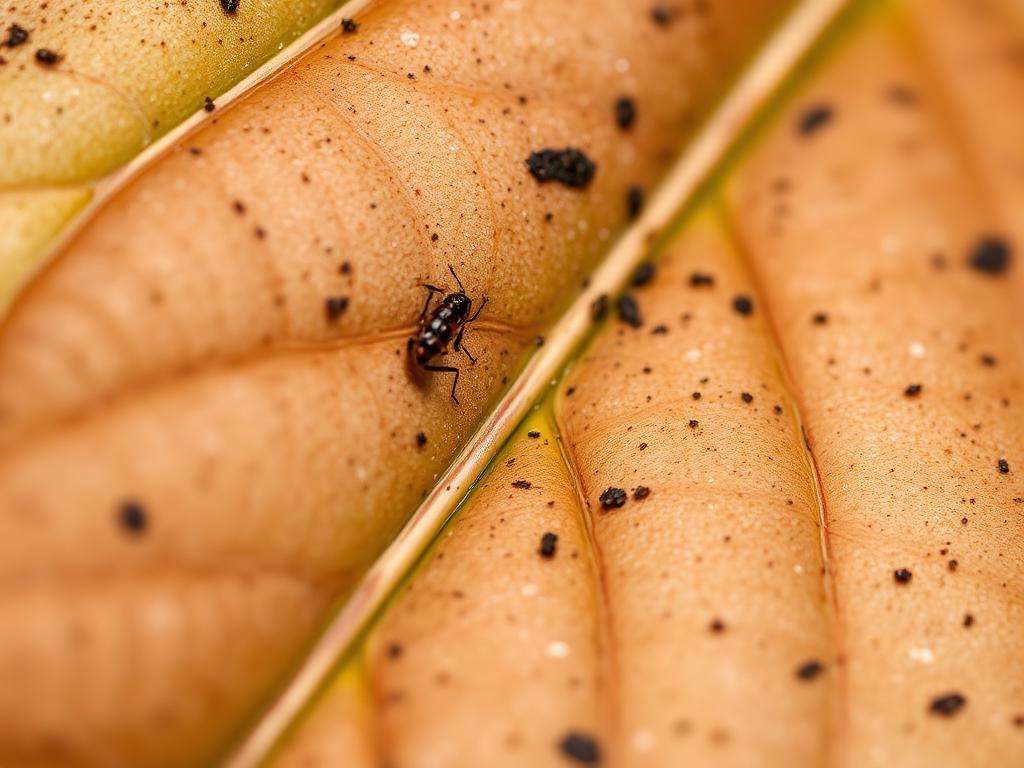
Thrips
Signs: Silvery stippled or bronzed leaf surfaces with tiny black specks of frass underneath.
Remedy: Hose foliage undersides regularly, apply insecticidal soap or oil at first sign, and avoid drought-stressing the hedge.
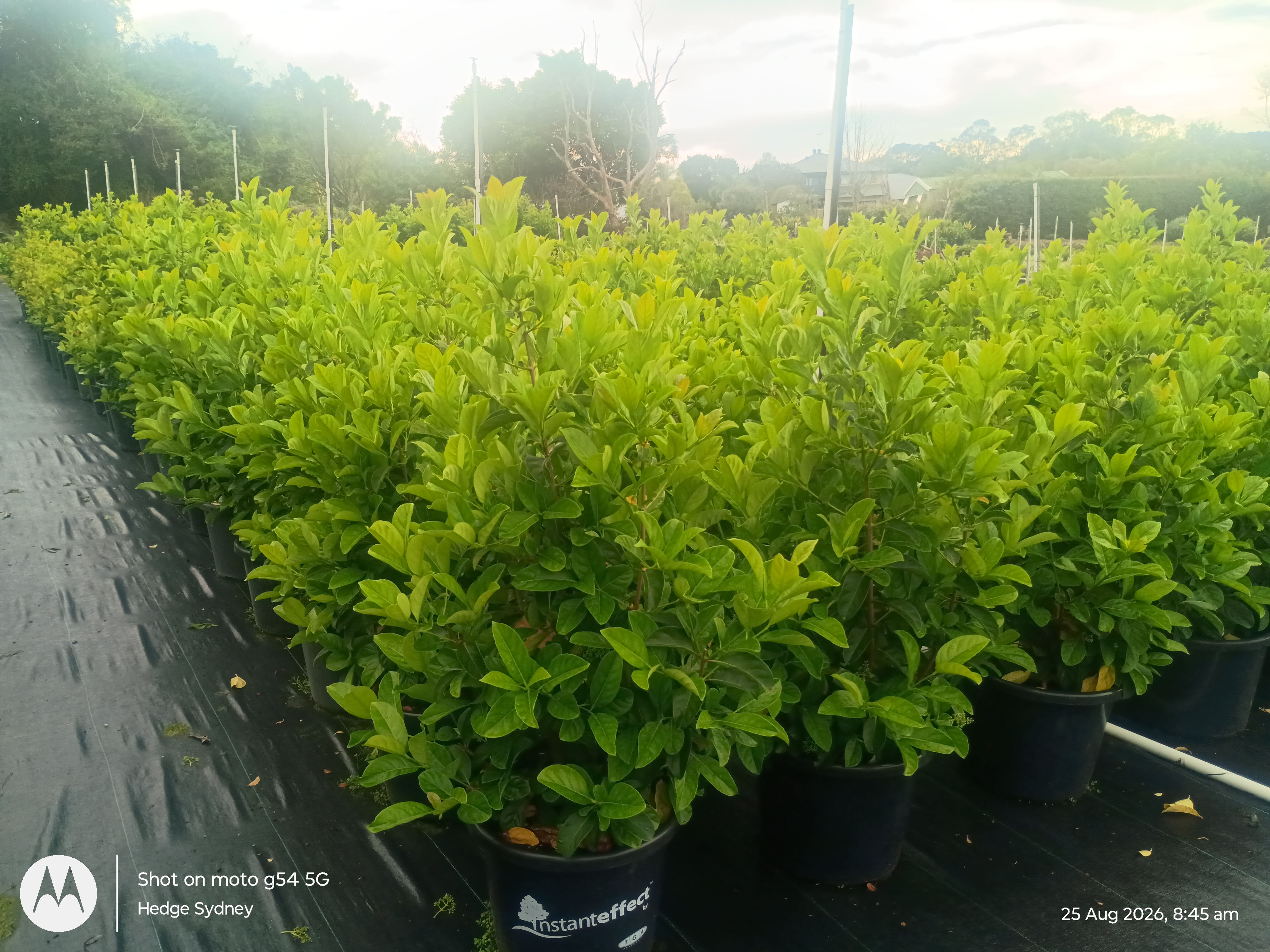 Nursery plants
Photos of recent plants supplied and installed by our team.
We check the plants before delivery and confirm the supplied size with you first.
Viburnum odoratissimum
Viburnum odoratissimum is the workhorse of shaded Sydney gardens. Its leathery dark-green leaves and pale pink bud clusters give year-round structure, and it thrives where many hedge plants struggle. A slower starter than Lilly Pilly, but once established it forms a solid, low-maintenance boundary.
200mm · 300mm · 400mm pots
Supplied heights shown when you choose your size.Explore the photos and care notes at your own pace. Your ordering controls are tucked into the bar at the bottom of the screen.
Read the full description & care notes[ About ]
A vigorous evergreen hedge with broad glossy foliage, ideal where fast screening and a substantial green boundary are desired.
Tough, shade-tolerant and reliably green — Viburnum builds a classic hedge in tricky spots.
A larger pot gives you a more established starting plant — not an instant hedge. Final density depends on spacing, the nursery batch and care in the first season.
[ Plant sizes ]
Pot size is not plant height. Each option below shows the nursery pot, the typical height of the plant when supplied, and current availability.
200mm size
From $36 per plant
300mm size
From $75 per plant
400mm size
From $145 per plant
Subject to current stock availability and final confirmation.
[ Plant profile ]
[ Care guide ]
[ Pests & problems ]
The most common issues we see on Viburnum hedges around Sydney — how to spot them early, and what to do about them.
Signs: Silvery stippled or bronzed leaf surfaces with tiny black specks of frass underneath.
Remedy: Hose foliage undersides regularly, apply insecticidal soap or oil at first sign, and avoid drought-stressing the hedge.
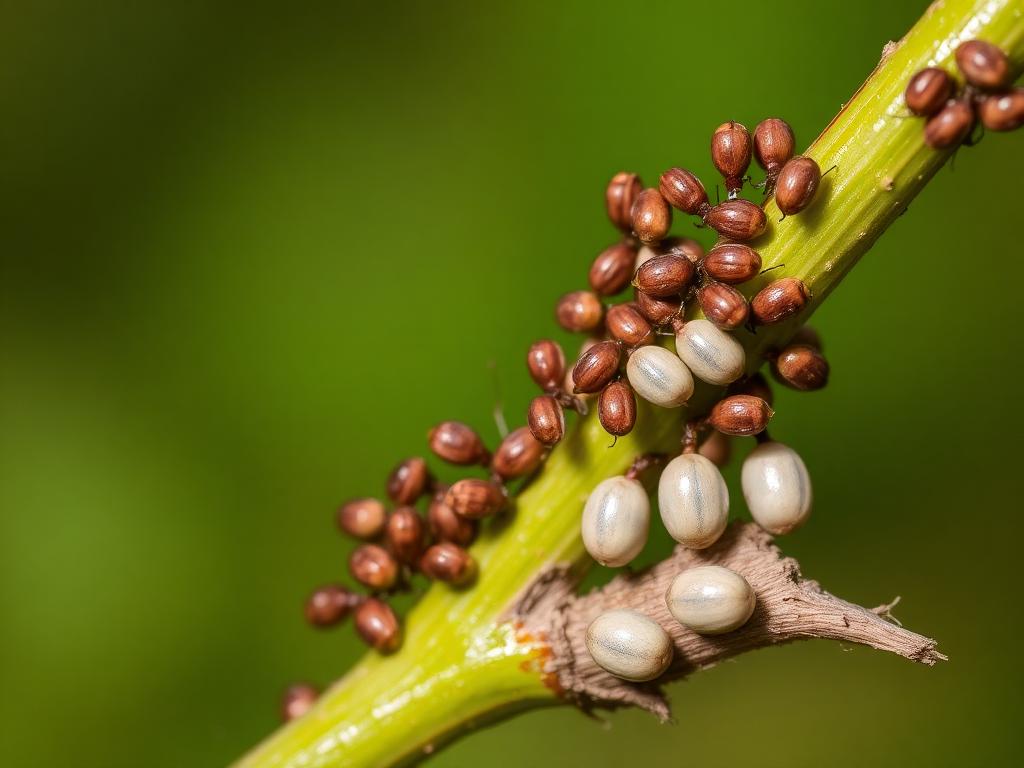
Signs: Oval brown shells on woody stems, sticky residue and ants working the plant.
Remedy: Apply horticultural oil to coat stems thoroughly and repeat in three weeks to catch the next crawler stage.
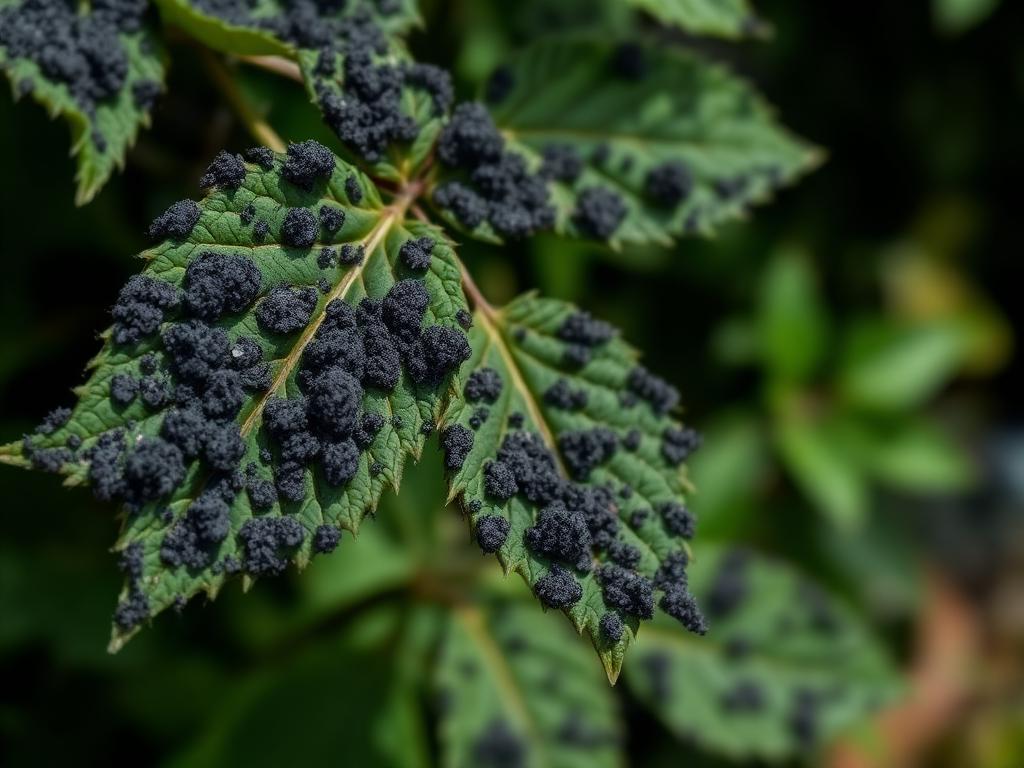
Signs: Dull black coating dimming the dark green leaves, especially in shaded, still positions.
Remedy: Control the underlying sap-sucker, wash leaves with soapy water and open up the hedge interior for better airflow.