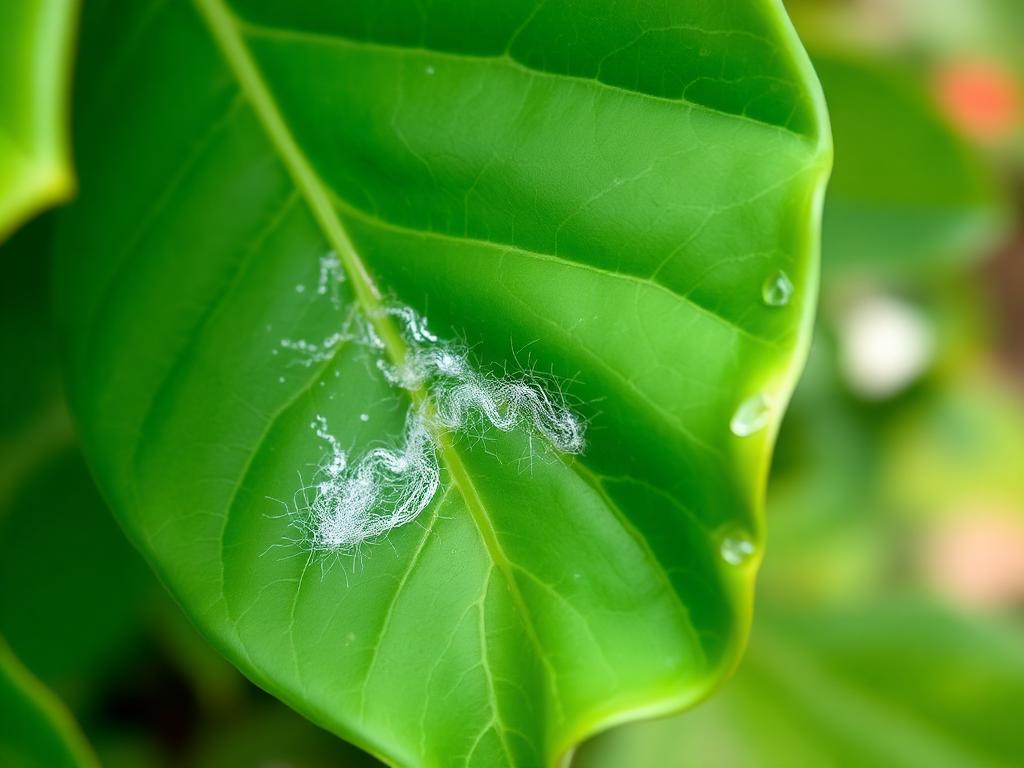
Citrus leaf miner
Signs: Silvery winding trails through new leaves, with leaf tips curling and distorting.
Remedy: Spray fresh growth with horticultural (white) oil every 10–14 days through the warm months and remove badly affected tips.
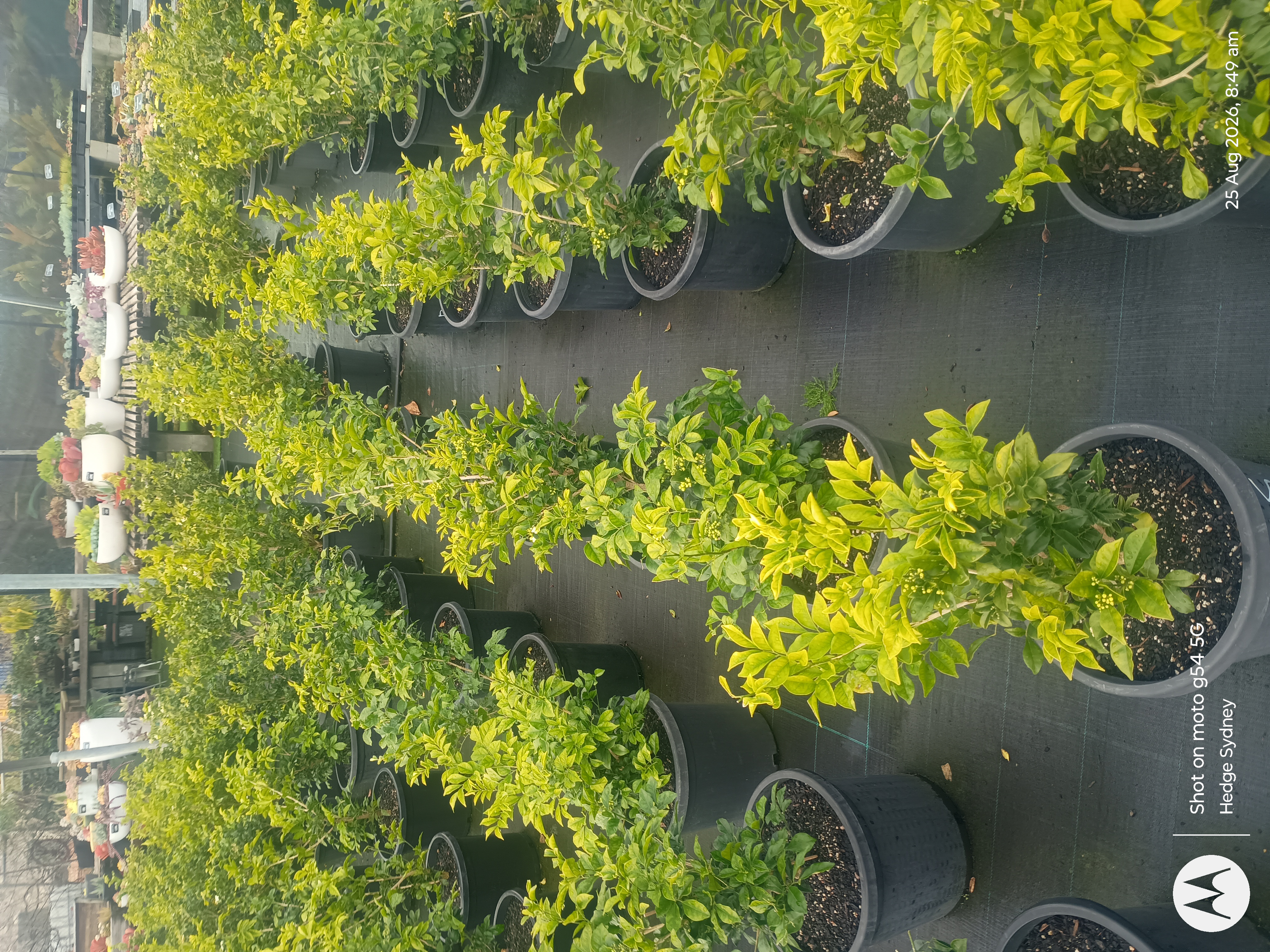 Nursery plants
We check the plants before delivery and confirm the supplied size with you first.
Murraya paniculata
Murraya paniculata, commonly known as Orange Jasmine, is one of Sydney's most popular hedging plants. It responds well to clipping, holds a tight green screen year-round, and rewards you with clusters of sweetly scented white flowers through the warmer months. Ideal for medium to tall privacy hedges in full sun to part shade.
200mm · 300mm · 400mm pots
Supplied heights shown when you choose your size.Explore the photos and care notes at your own pace. Your ordering controls are tucked into the bar at the bottom of the screen.
Read the full description & care notes[ About ]
A premium evergreen hedge with glossy green foliage and fragrant white flowers. Ideal for formal boundaries, front gardens, pool areas and privacy screening.
Fragrant white blooms and dense evergreen foliage make Murraya a favourite for formal Sydney hedges.
A larger pot gives you a more established starting plant — not an instant hedge. Final density depends on spacing, the nursery batch and care in the first season.
[ Plant sizes ]
Pot size is not plant height. Each option below shows the nursery pot, the typical height of the plant when supplied, and current availability.
200mm size
From $25 per plant
300mm size
From $75 per plant
400mm size
From $165 per plant
Subject to current stock availability and final confirmation.
[ Plant profile ]
[ Care guide ]
[ Pests & problems ]
The most common issues we see on Murraya hedges around Sydney — how to spot them early, and what to do about them.
Signs: Silvery winding trails through new leaves, with leaf tips curling and distorting.
Remedy: Spray fresh growth with horticultural (white) oil every 10–14 days through the warm months and remove badly affected tips.
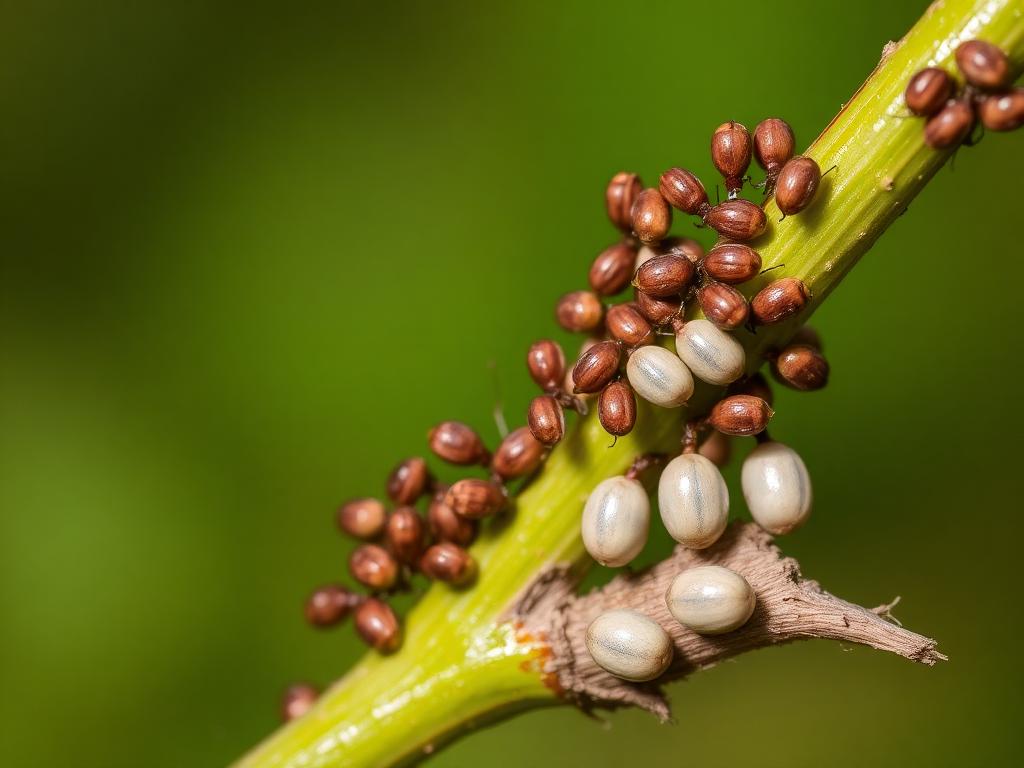
Signs: Small brown or white oval bumps clustered along stems and leaf undersides; sticky honeydew.
Remedy: Wipe or hose off light infestations, then apply horticultural oil to smother remaining scale. Repeat after three weeks.
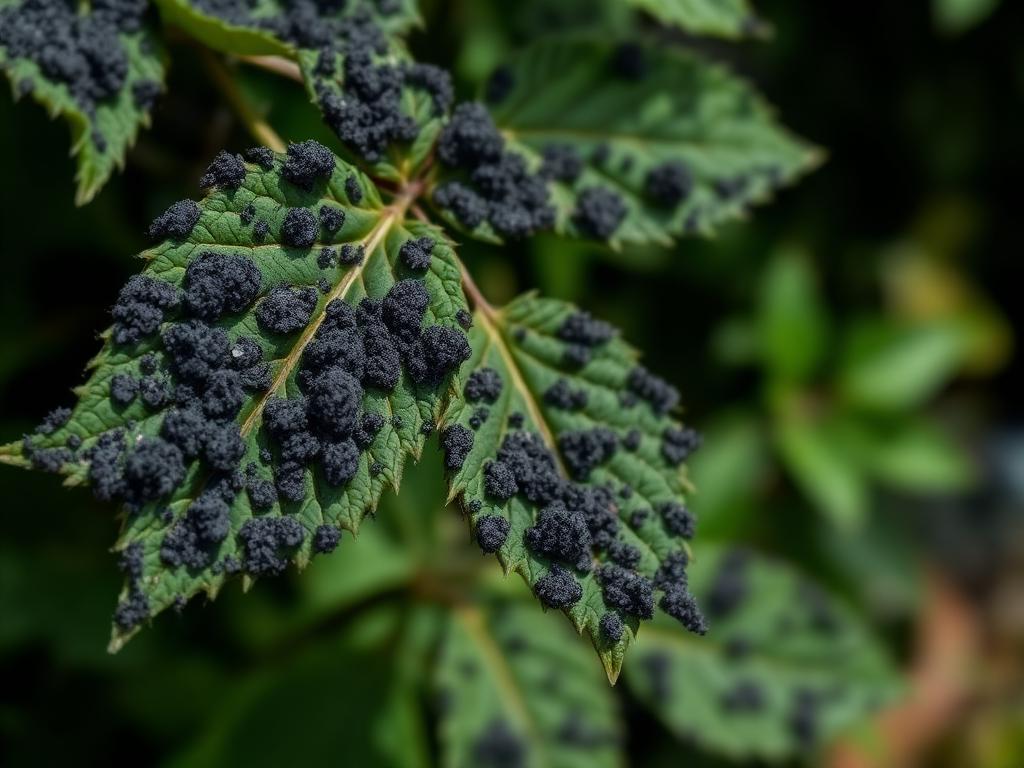
Signs: Black dusty film coating the leaf surface, usually following scale or aphid honeydew.
Remedy: Treat the sap-sucking pest first, then wash the foliage with a soapy water solution; the mould flakes away as new growth comes through.