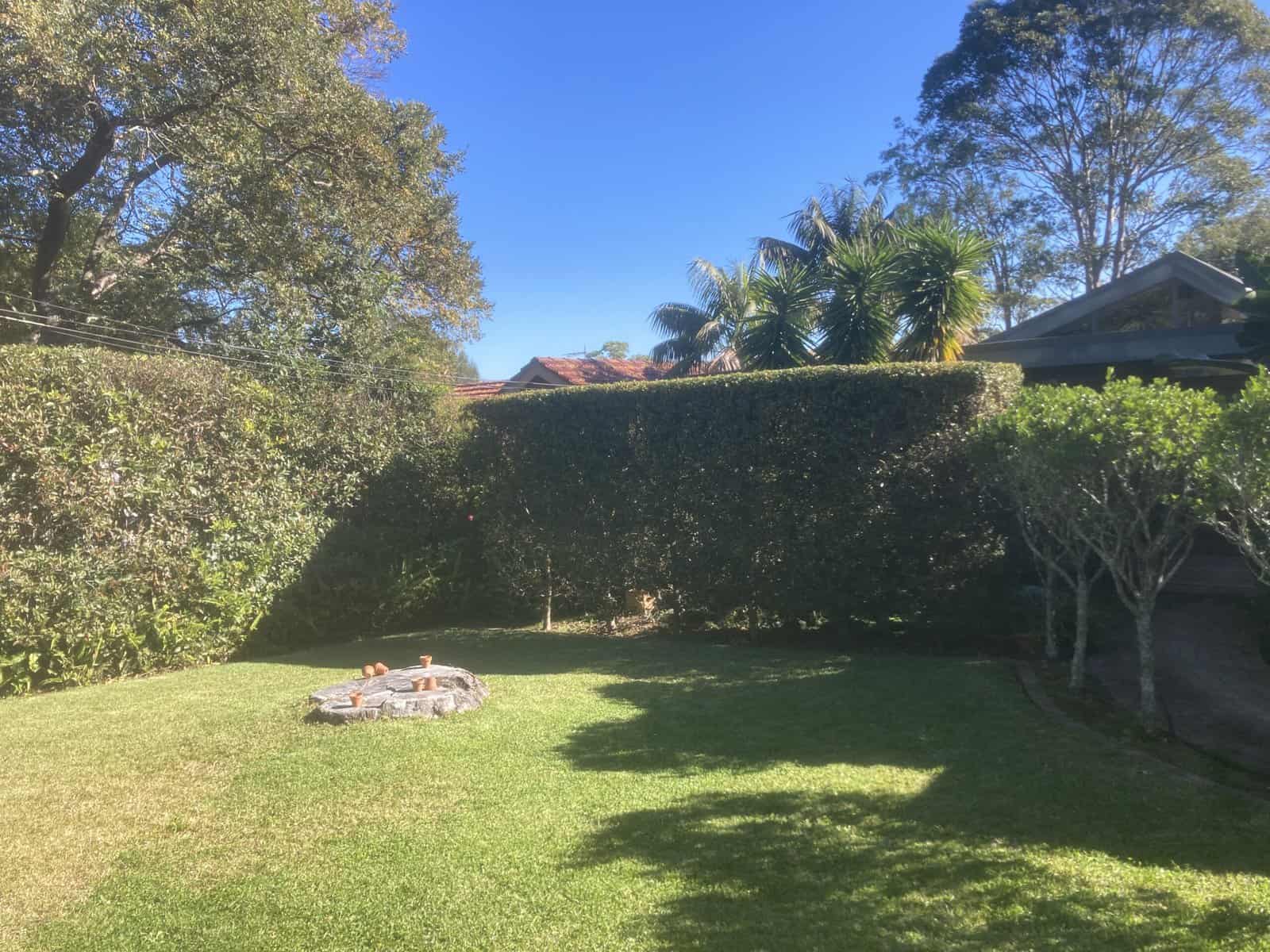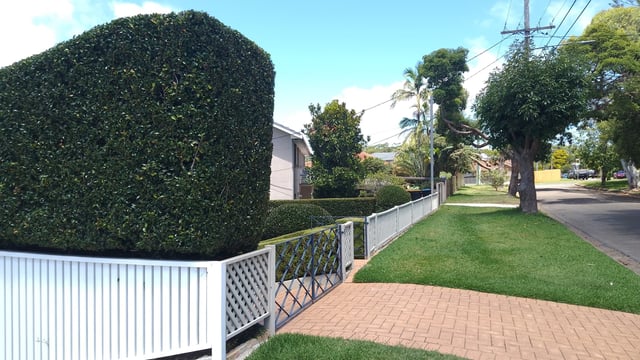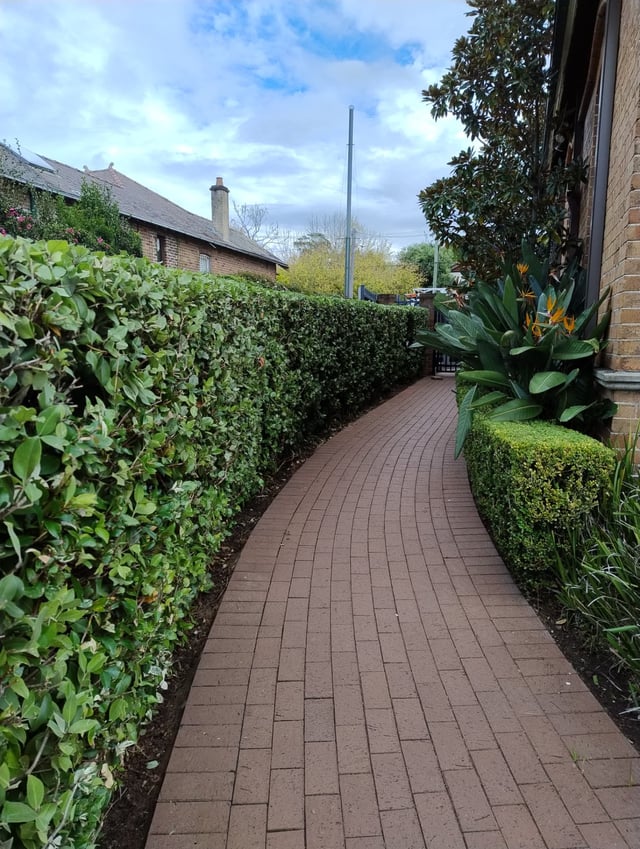
Baby Lilly is a compact lilly pilly that brings dense evergreen foliage and a tidy outline to Sydney gardens. Its smaller leaves and naturally bushy growth make it useful beside paths, along front boundaries and around outdoor living areas where a larger screening plant could become difficult to manage. Rather than choosing a hedge solely for speed, think about its eventual width, the light available and how easily you can reach it for trimming. Hedge Sydney supplies established Baby Lilly plants, giving you a substantial starting point while still allowing the hedge to develop naturally after planting.
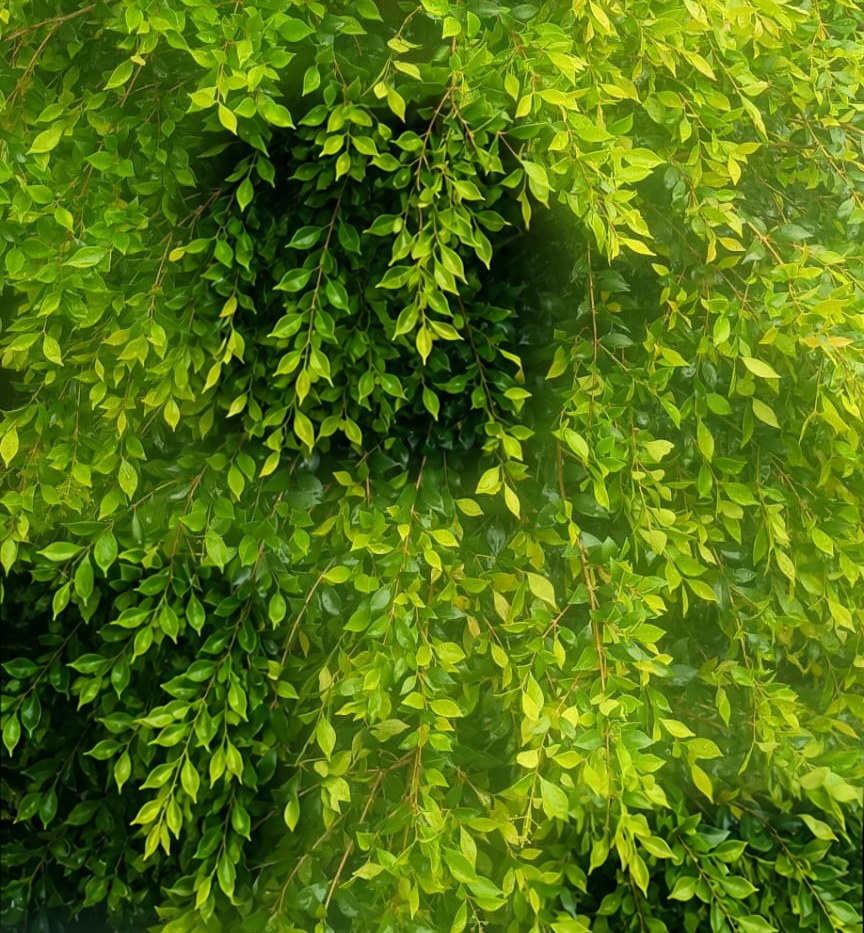
What makes Baby Lilly different? Baby Lilly belongs to the native lilly pilly group commonly sold under the Acmena smithii name, now generally recognised as Syzygium smithii. The variety is selected for compact growth and fine foliage rather than the large, vigorous outline of some screening cultivars. New shoots provide a fresh contrast against established green leaves, and repeated light pruning encourages a closely branched surface. Flowers and berries may appear when shoots are allowed to mature, although frequent clipping can reduce flowering. It works as a formal hedge, a softer garden border or an individual clipped shrub.
How tall does Baby Lilly grow? Treat mature dimensions as a guide, not a promise: growing conditions, pruning and nursery selections all influence the final result. Baby Lilly is generally chosen for small to medium hedges rather than very tall screening. Confirm the expected mature dimensions of your supplied plants before setting a permanent hedge height. The height of a nursery plant is different from its eventual mature height. Hedge Sydney currently offers 300 mm, 400 mm and 500 mm sizes; the larger two are supplied at approximately 1.8 metres and 2.2 metres respectively. Confirm the 300 mm height when enquiring.
| Feature | Detail |
|---|---|
| Plant | Baby Lilly pilly |
| Botanical group | Acmena smithii / Syzygium smithii |
| Habit | Compact, dense evergreen growth |
| Position | Full sun to part shade; well-drained soil |
| 300 mm pot | Supplied height confirmed on enquiry |
| 400 mm pot | Approximately 1.8 m supplied height |
| 500 mm / 75 litre | Approximately 2.2 m supplied height |
Planting and spacing. Choose full sun to part shade with well-drained soil. Before planting, remove weeds and check whether water collects in the bed after rain. Improve the surrounding soil with suitable organic matter rather than creating isolated pockets of rich compost in heavy ground. Set each root ball level with the surrounding soil, backfill gently and water thoroughly. Plan spacing around the desired hedge width, supplied plant size and access for maintenance; crowding large plants together is not automatically better. Refer to the spacing guidance on the Baby Lilly plant page and ask us to check your layout.
Watering and feeding. Established nursery plants still need careful watering while roots grow into the garden soil. Check moisture inside the original root ball as well as the surrounding bed: either can dry out while the other feels damp. Water deeply when needed, adjusting for rain, drainage and hot weather instead of following an inflexible daily schedule. Apply mulch over the root zone but keep it away from stems. Feed with a suitable slow-release fertiliser according to its label, avoiding excessive doses that force soft growth. Yellow leaves can indicate several problems, so inspect watering and drainage before adding more fertiliser.
When to trim Baby Lilly. Light, regular trimming is usually more effective than allowing a hedge to become overgrown and cutting it back heavily. Shape young plants gradually so branching develops through the sides and lower sections. In Sydney, spring and early autumn are useful opportunities for shaping, with smaller tidy-up cuts when active growth needs controlling. Avoid heavy pruning during extreme heat, drought stress or prolonged wet conditions. Keep the base slightly wider than the top so sunlight reaches lower foliage, and use sharp, clean tools. Our Sydney hedge trimming service can maintain an even outline and a practical height.
| Season | Maintenance |
|---|---|
| After planting | Water thoroughly; develop branching with light shaping |
| Spring | Shape active growth and inspect new shoots |
| Summer | Check root moisture; avoid heavy pruning in heat |
| Early autumn | Tidy the outline while conditions are mild |
| Winter | Inspect drainage and remove damaged growth as needed |
Common problems to watch for. Check fresh shoots regularly rather than assuming any lilly pilly variety is immune to pests. Distorted or bumpy leaves may indicate psyllids; sticky foliage, ants and black sooty mould can accompany sap-sucking insects such as scale. Chewed leaves require a closer inspection for insects before treatment is chosen. Brown margins or wilting can reflect dry roots, heat exposure or poor drainage, so similar symptoms do not always need the same response. Myrtle rust can affect susceptible plants in the myrtle family; unusual yellow-orange powdery spots warrant prompt advice and careful hygiene. Use treatments only after identifying the cause.
| Problem | Possible signs | Response |
|---|---|---|
| Psyllids | Bumpy or distorted new leaves | Identify the pest and seek suitable control advice |
| Scale and sooty mould | Sticky leaves, ants, black coating | Inspect stems and leaf undersides; treat the identified pest |
| Water stress | Wilting or brown leaf edges | Check root-ball moisture and drainage before changing watering |
| Possible myrtle rust | Yellow-orange powdery spots | Seek identification advice and avoid spreading affected material |
Keeping the hedge healthy long term. Inspect irrigation, mulch and the base of the hedge seasonally. Remove competing weeds, replace displaced mulch and look for gaps where neighbouring plants block light. Keep a record of pruning dates and any pest activity so maintenance follows the hedge's actual behaviour. If one plant struggles, investigate its root zone and drainage before replacing it: another plant in the same unsuitable position may struggle too. Container-grown Baby Lilly needs particular attention to watering, drainage holes and eventual repotting. Compare the available Lilly Pilly varieties if your site needs a taller or different-shaped screen.
Ordering Baby Lilly for your garden. Visit the product page to choose a pot size, check current availability and submit an order enquiry. Supplied heights are approximate, and prices shown on the website include GST. Supply-only delivery is quoted; supply and installation includes free delivery with a minimum of five plants. Installation includes set-out, hole digging, soil preparation with water crystals and fertiliser, planting, deep watering and clean-up. Removal of existing plants and building debris is excluded. For help choosing sizes, spacing or installation, contact Hedge Sydney for a quote and tell us about your garden, access and preferred planting timeframe.