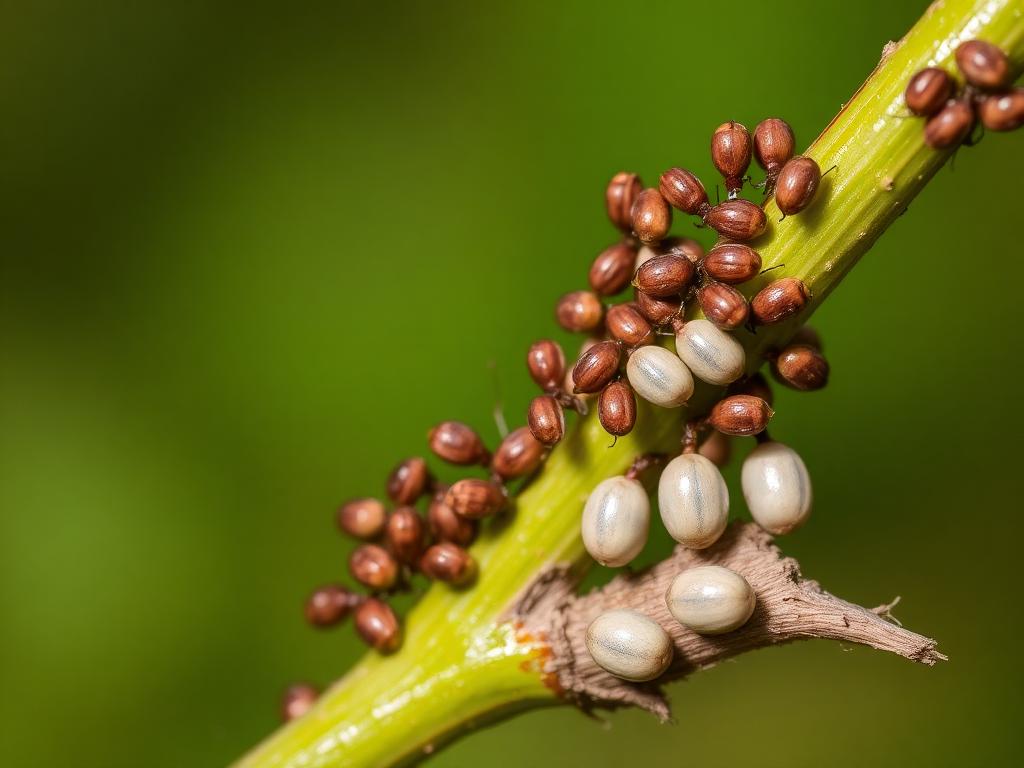
Scale insects
Signs: Small brown bumps on stems and leaf veins, with sticky honeydew and ants.
Remedy: Spray with horticultural oil to smother the scale and repeat after three weeks to catch hatching crawlers.
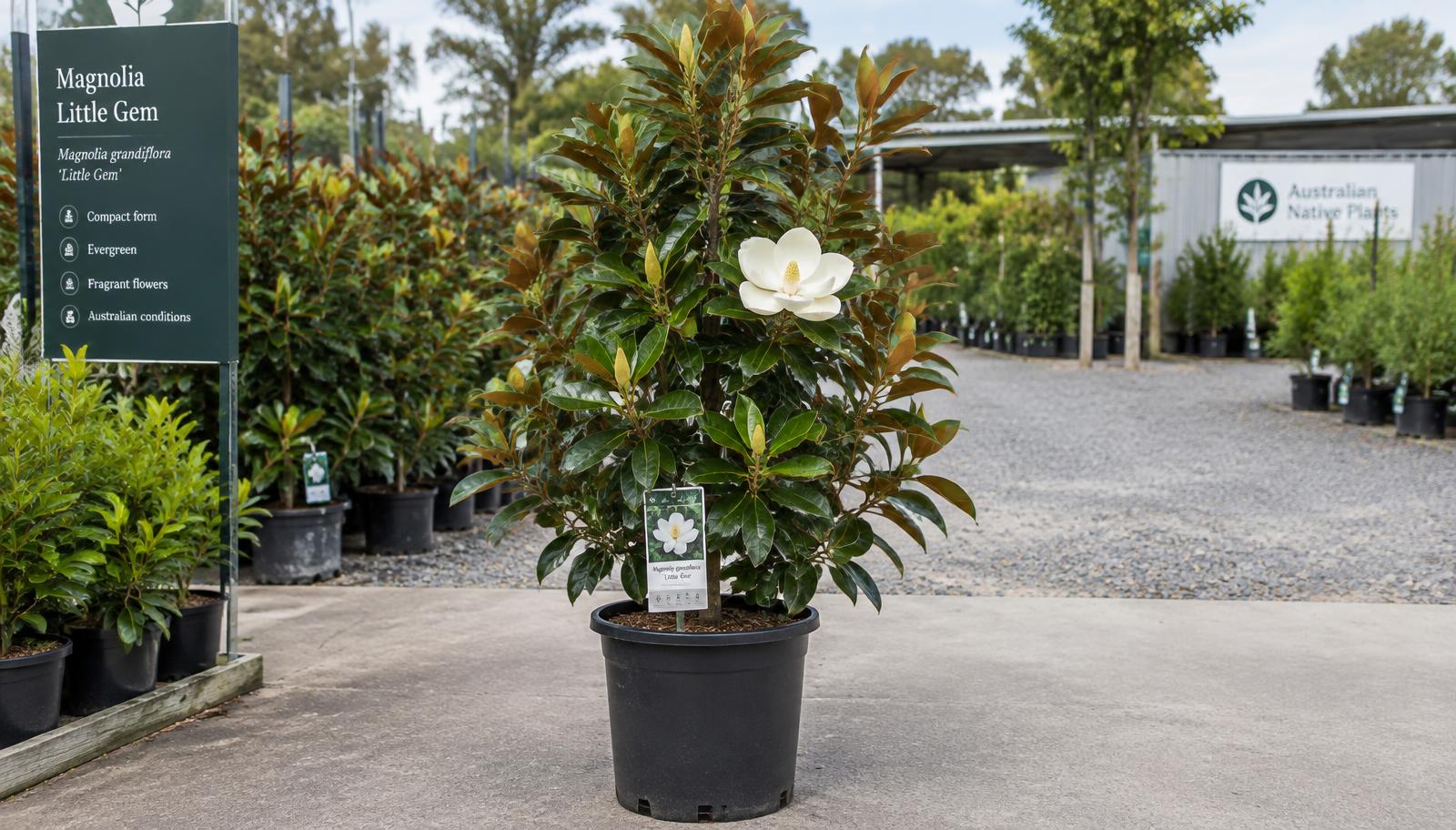 Nursery plants
Photos of recent plants supplied and installed by our team.
We check the plants before delivery and confirm the supplied size with you first.
Magnolia grandiflora 'Little Gem'
Magnolia Little Gem is a compact evergreen form of the classic southern magnolia, loved for its glossy deep-green leaves with velvety bronze undersides and its large, lemon-scented cream flowers that repeat from spring through autumn. Its tight, upright habit makes it one of the best choices for a narrow evergreen screen where space is limited. Supplied as advanced 300mm pot plants approximately 1.5m tall, it establishes quickly into a dense, elegant hedge or feature screen.
300mm pots
Supplied heights shown when you choose your size.Explore the photos and care notes at your own pace. Your ordering controls are tucked into the bar at the bottom of the screen.
Read the full description & care notes[ About ]
Magnolia Little Gem is a compact evergreen form of the classic southern magnolia, loved for its glossy deep-green leaves with velvety bronze undersides and its large, lemon-scented cream flowers that repeat from spring through autumn. Its tight, upright habit makes it one of the best choices for a narrow evergreen screen where space is limited. Supplied as advanced 300mm pot plants approximately 1.5m tall, it establishes quickly into a dense, elegant hedge or feature screen.
Glossy evergreen leaves and large lemon-scented white blooms — Magnolia Little Gem makes an elegant narrow screen.
A larger pot gives you a more established starting plant — not an instant hedge. Final density depends on spacing, the nursery batch and care in the first season.
[ Plant sizes ]
Pot size is not plant height. Each option below shows the nursery pot, the typical height of the plant when supplied, and current availability.
300mm size
$125 per plant
Subject to current stock availability and final confirmation.
[ Plant profile ]
[ Care guide ]
[ Pests & problems ]
The most common issues we see on Magnolia Little Gem hedges around Sydney — how to spot them early, and what to do about them.
Signs: Small brown bumps on stems and leaf veins, with sticky honeydew and ants.
Remedy: Spray with horticultural oil to smother the scale and repeat after three weeks to catch hatching crawlers.
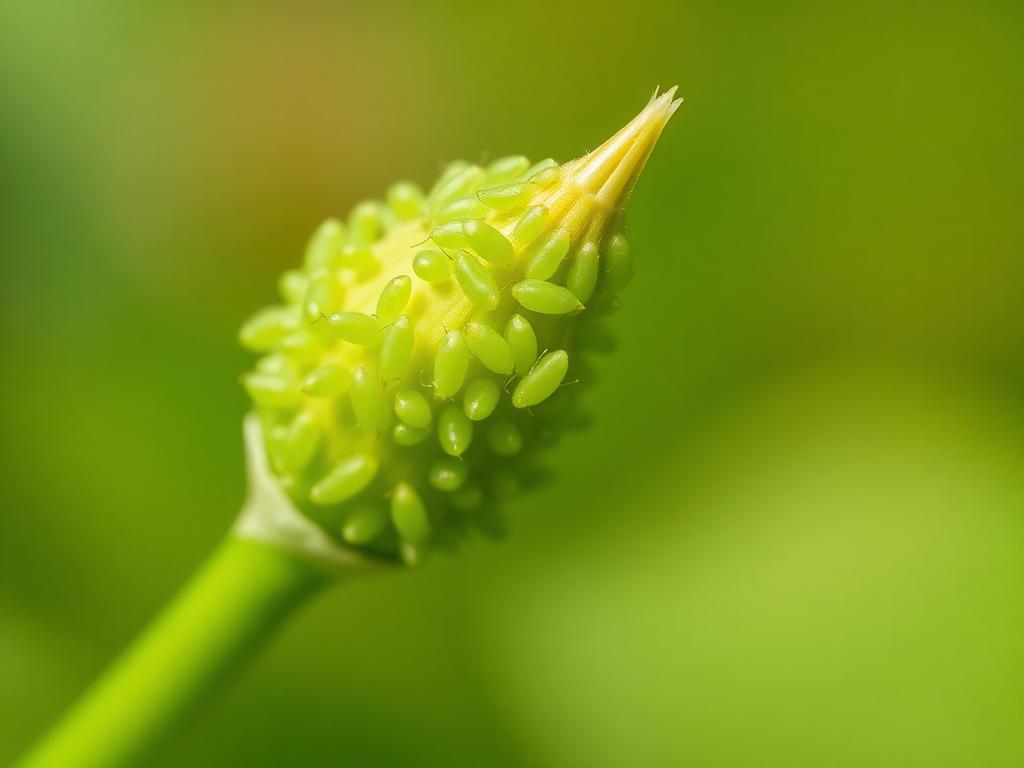
Signs: Clusters of small green or black insects on new shoots and flower buds.
Remedy: Blast off with a strong jet of water or spray with insecticidal soap; repeat until new growth is clean.
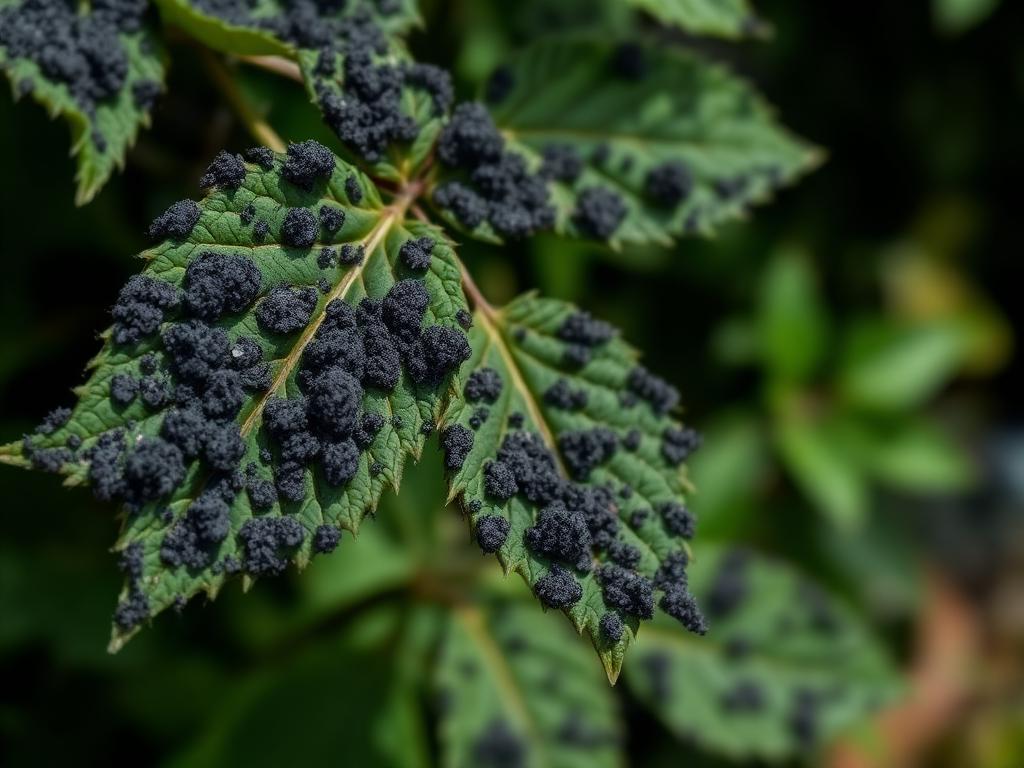
Signs: Black sooty film over the leaves, usually following scale or aphid honeydew.
Remedy: Treat the sap-sucking pest first, then wash foliage with a soapy water solution; the mould clears as new growth comes through.