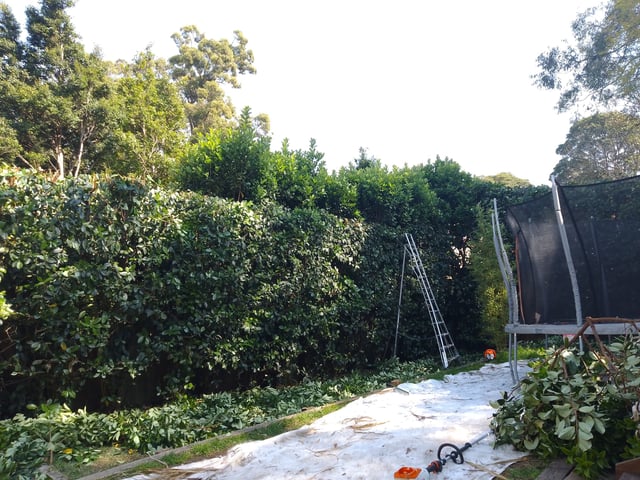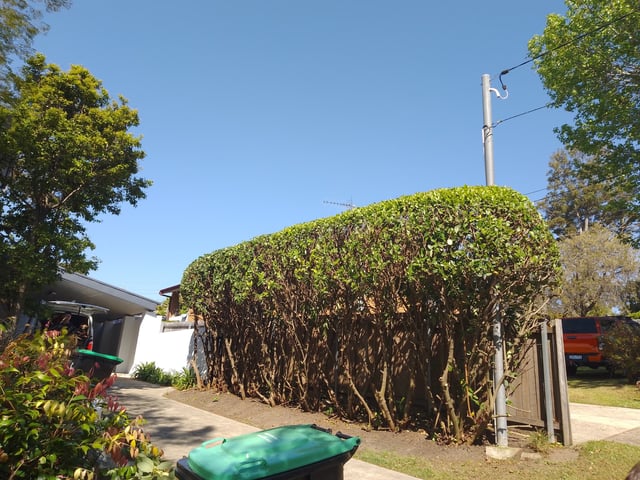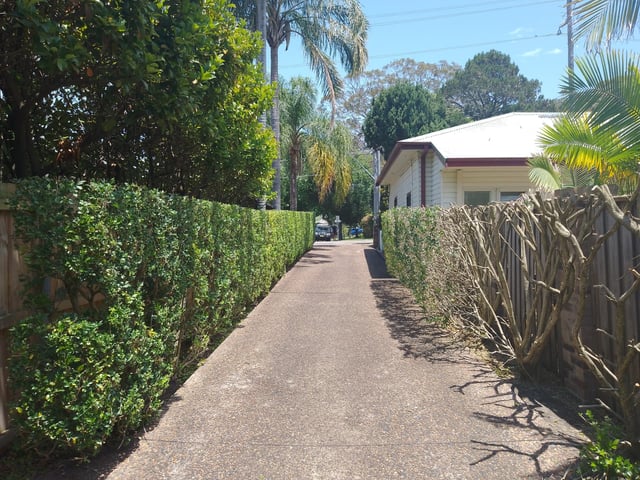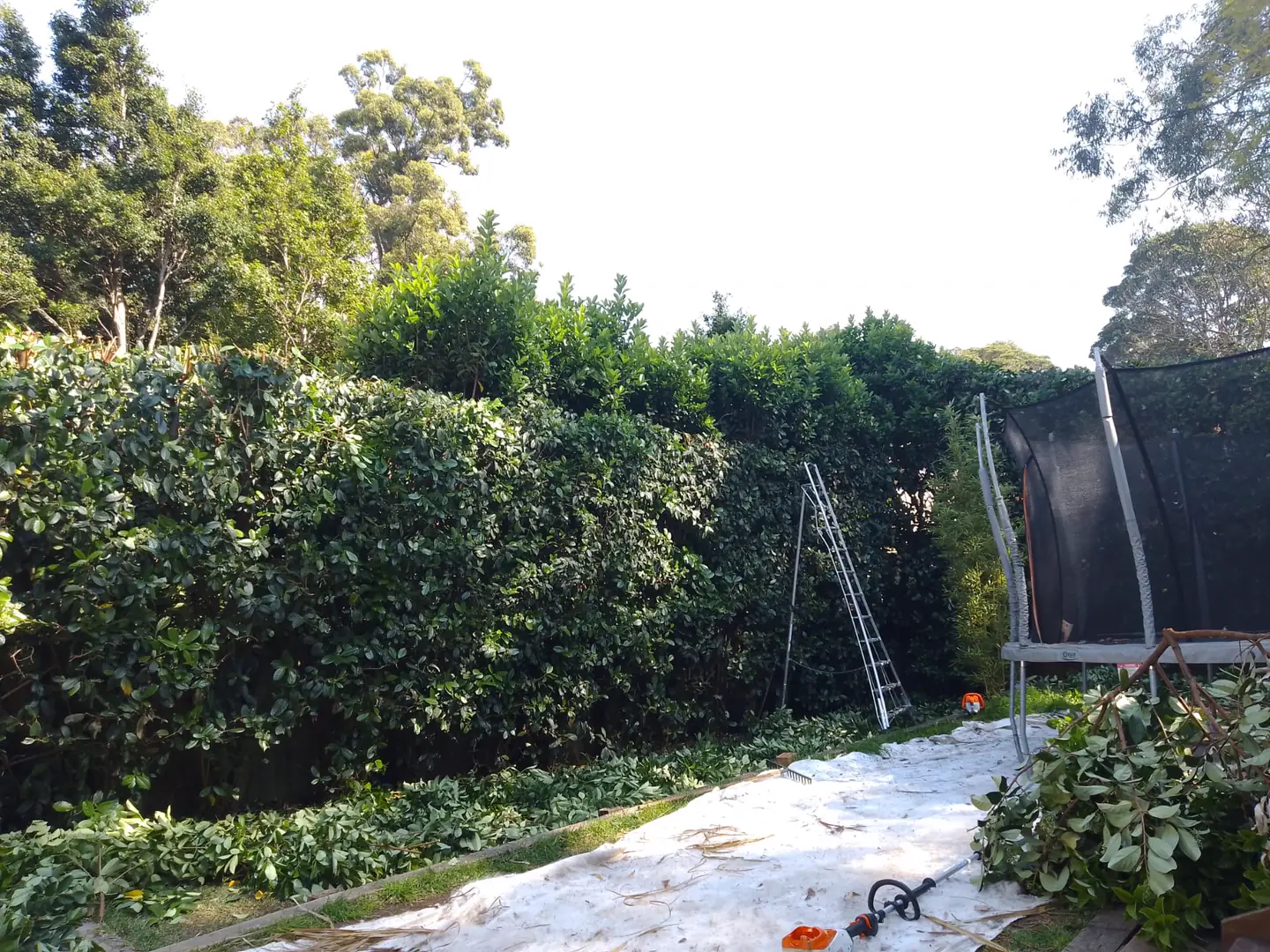
Viburnum tinus and Viburnum odoratissimum are tough, evergreen screening plants widely used across Sydney. Their dense branching habit means they can tolerate harder pruning than many hedges, making them a good choice when an old hedge has outgrown its space.
As a general rule, you can cut Viburnum back by up to one-third to one-half of its total height and width in a single prune. If the hedge is very overgrown, it is often better to reduce it in stages over two growing seasons. This avoids shocking the plant and gives it time to push new shoots from older wood.
The best time for a hard reduction in Sydney is late winter, just before the spring growth spurt. The plant will respond with strong new shoots and recover its shape faster than if pruned in summer or autumn. Avoid cutting into bare wood in cold, exposed positions unless you are confident the variety will reshoot.
After a hard cutback, water deeply and apply a slow-release fertiliser. Keep an eye out for aphids on the tender new growth. With patience and the right aftercare, a Viburnum hedge can be brought back into a neat, dense screen in one or two seasons.
Know which Viburnum you have before you start. Viburnum odoratissimum (sweet viburnum) has large, glossy leaves and is the most forgiving — it reliably reshoots from thick old wood and is the species most often reduced hard on Sydney properties. Viburnum tinus is smaller-leafed and slower to fill in, so it is better reduced by a third at a time. Deciduous viburnums grown for flowers, such as V. opulus, bloom on old wood and lose a full season of flower if cut back hard, so they are pruned selectively rather than sheared.
Cut to structure rather than shearing a flat plane. When reducing height, take individual stems back to a lower side branch or an outward-facing node instead of running the trimmer straight across. This hides the cut ends inside the canopy, encourages regrowth in the direction you want, and avoids the dense mat of twiggy shoots that a flat shear produces. Remove any crossing, dead or borer-damaged wood at the same time, and thin a few interior stems so light reaches the base of the hedge.
Aftercare determines how fast the screen returns. Expect visible regrowth within four to six weeks of a late-winter cut, and a substantially closed screen by the end of the following summer if the hedge is watered consistently. Apply a slow-release fertiliser once new shoots appear, not on the day you cut, and mulch to stabilise soil moisture. Watch for thrips and aphids on the soft regrowth and for powdery mildew where hedges sit in shade; both are simple to manage early and much harder once the new canopy has closed over.