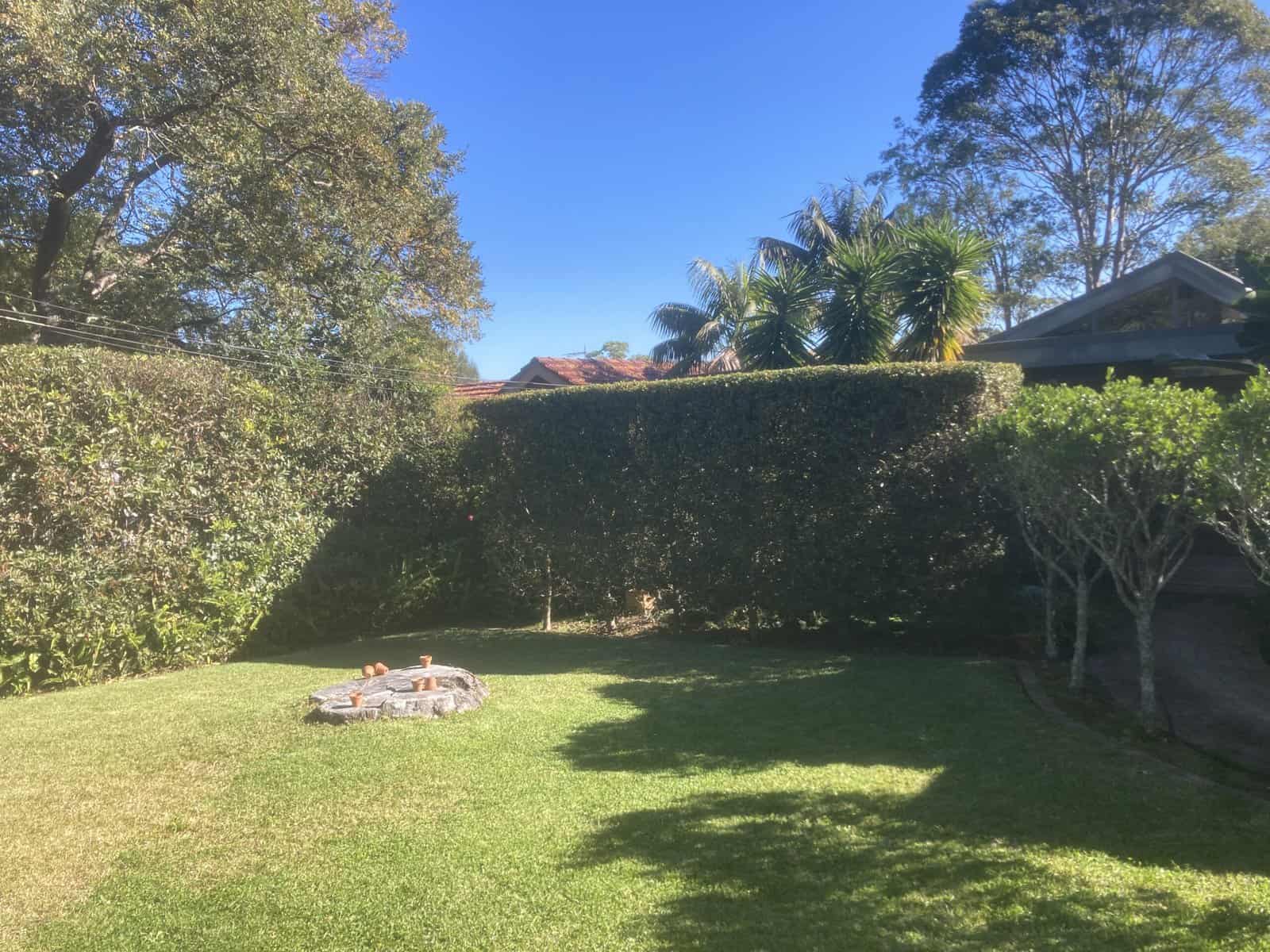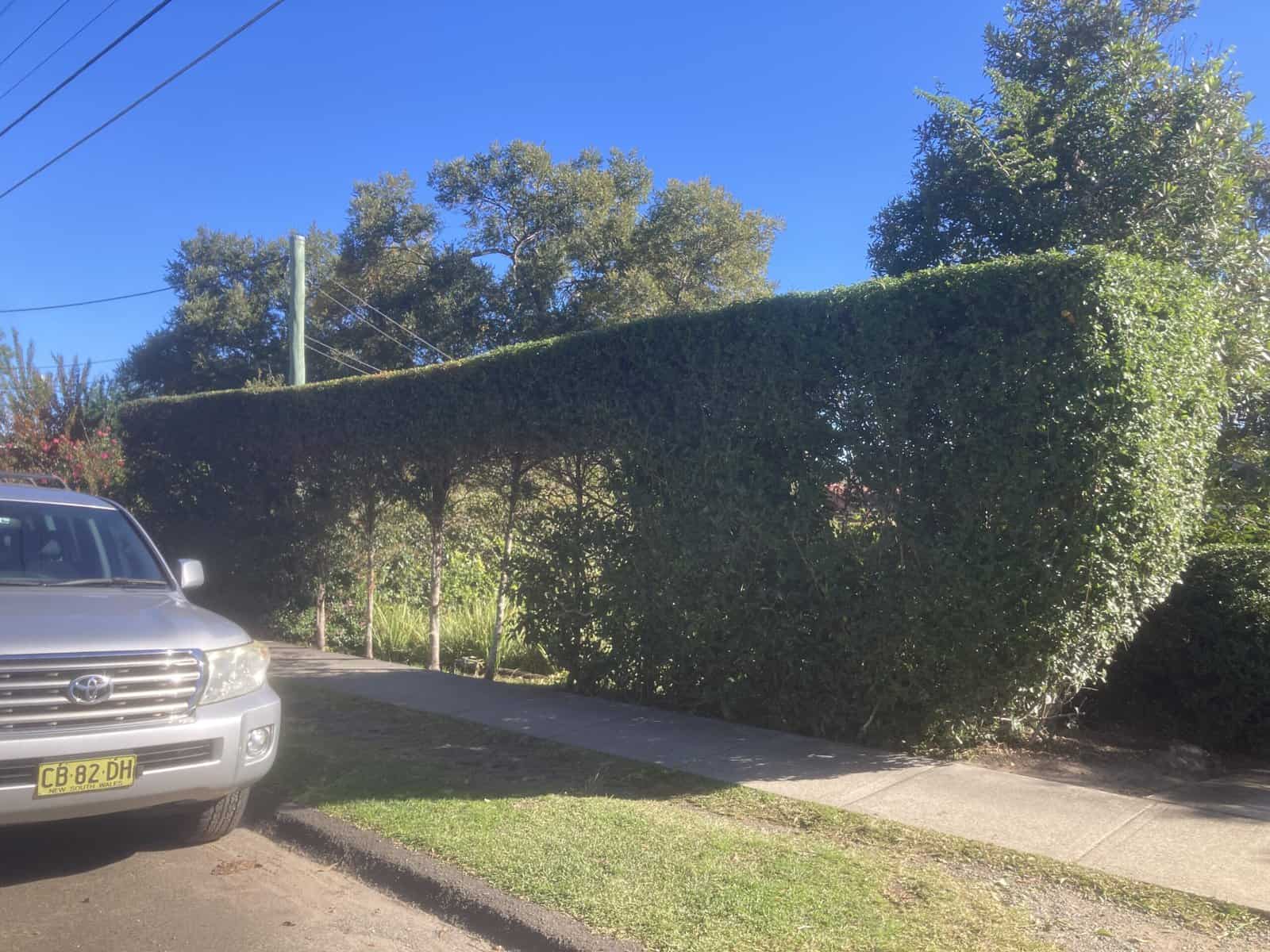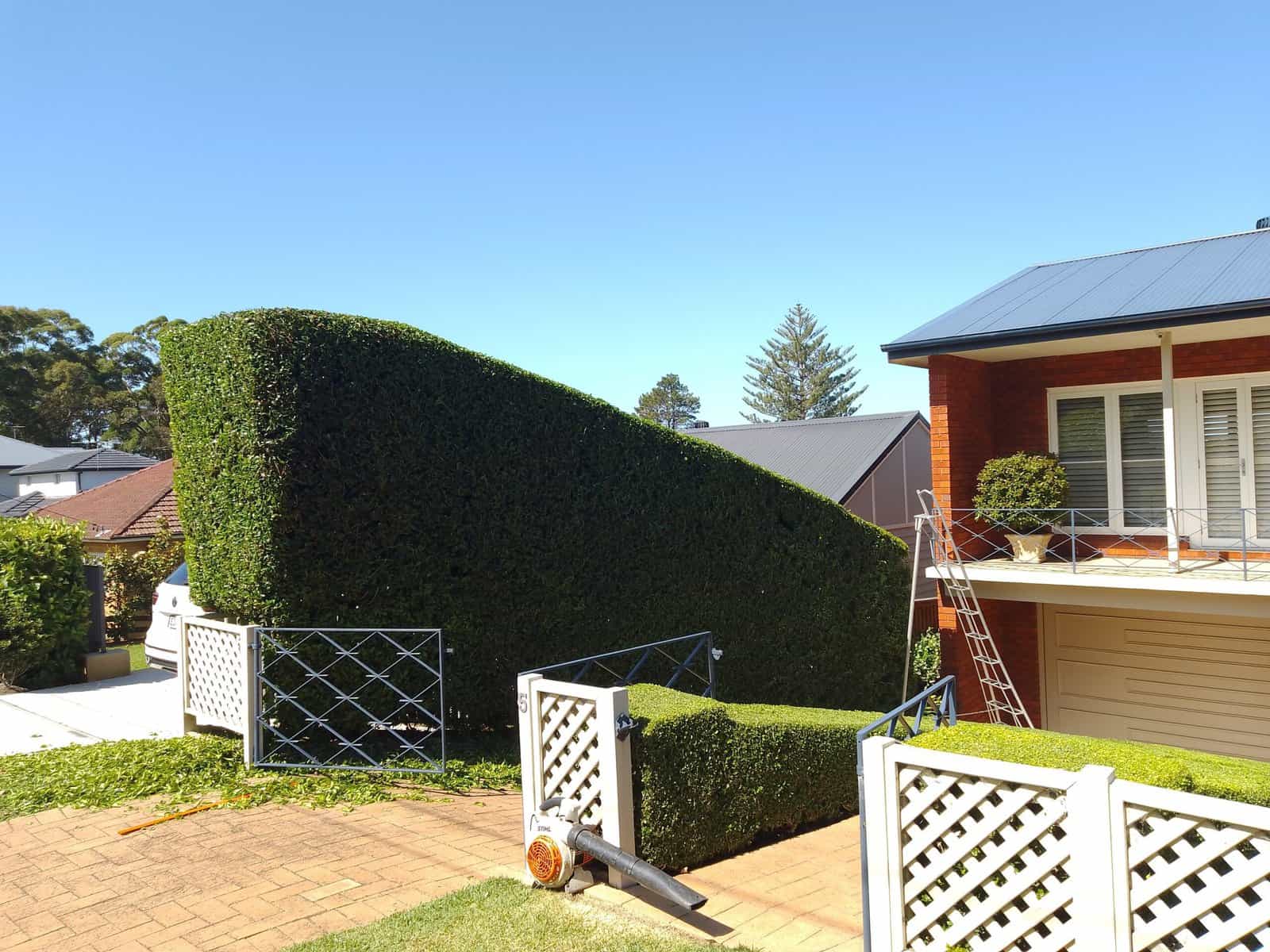
Lilly Pilly is Sydney's go-to native hedge. Varieties such as Syzygium australe, Waterhousea floribunda and Acmena smithii grow fast, tolerate clipping and attract birds with their berries. But because they are so vigorous, they can become leggy quickly without regular pruning.
In Sydney's temperate climate, the ideal times for a major trim are late spring and early autumn. Spring trimming captures the first flush of growth and lets the hedge recover before summer heat. Autumn trimming tidies the shape after summer growth and prepares the plant for winter.
A light tip-prune can be done in summer if the hedge is looking untidy, but avoid heavy cuts during extreme heat or dry spells. Freshly exposed inner branches can sunburn, and stressed plants are more susceptible to Lilly Pilly psyllid and scale.
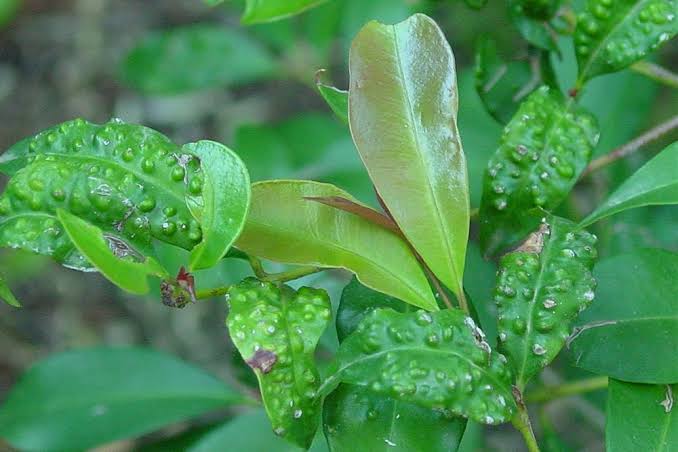
After trimming, check the new growth regularly for the tell-tale pimple galls of psyllid. If caught early, a targeted treatment can prevent the hedge from becoming distorted. A consistent trimming schedule, good airflow and occasional native fertiliser will keep your Lilly Pilly hedge healthy and handsome.
Variety choice changes the schedule considerably. Psyllid-resistant selections such as 'Resilience', 'Backyard Bliss' and Acmena smithii cultivars tolerate a lighter maintenance routine, while older Syzygium australe plantings usually need trimming timed to knock off infested new growth. Waterhousea floribunda, with its weeping habit, holds a natural shape and can be left longer between cuts, but it will not tolerate being clipped into a tight formal box as happily as the smaller-leafed Syzygiums.
Time trims around the flush, not just the calendar. Lilly Pilly pushes bronze or red new growth in defined waves after warm rain, and that soft growth is exactly what psyllids and scale target. Trimming just as a flush hardens off removes the vulnerable tissue and stimulates the next, denser round of shoots. It also pays to trim before the December to February heat peaks, so the plant has recovered leaf cover before the harshest sun hits newly exposed inner branches.
Water and airflow do half the work. Lilly Pilly is shallow-rooted and drops leaves fast under drought stress, so a deep soak once or twice a week in summer beats frequent light watering, and 50–75 mm of mulch kept clear of the trunks keeps the root zone cool. Where hedges are planted tight against a fence or in a narrow side passage, trim the sides back hard enough to keep 20–30 cm of air behind the hedge; poor airflow is a reliable predictor of sooty mould and fungal spotting in Sydney's humid months.