Sydney's warm summers and mild winters mean many hedges grow almost year-round. Without a regular trimming schedule, even a slow-growing hedge can lose its shape and start encroaching on paths, driveways and neighbours.
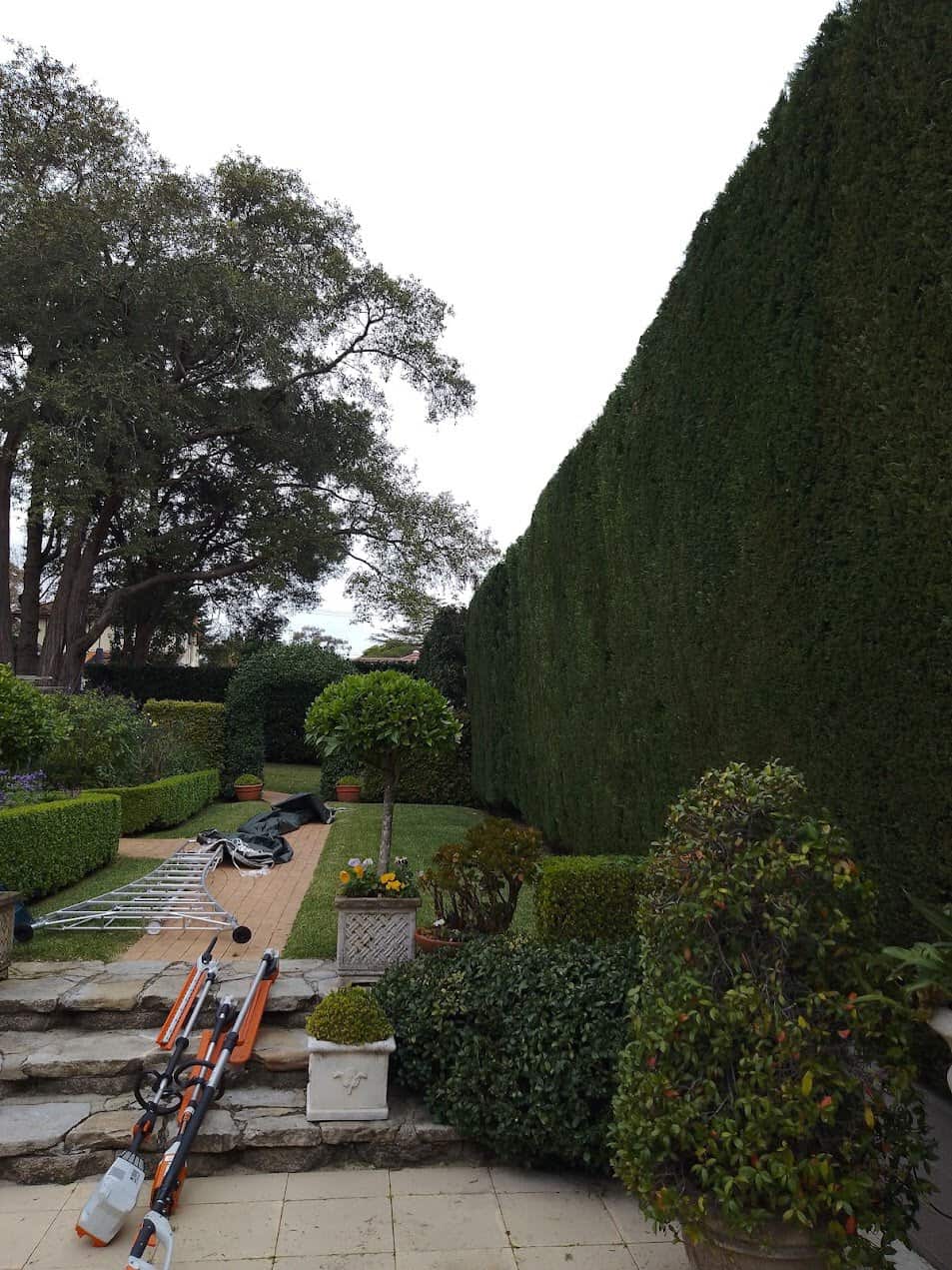
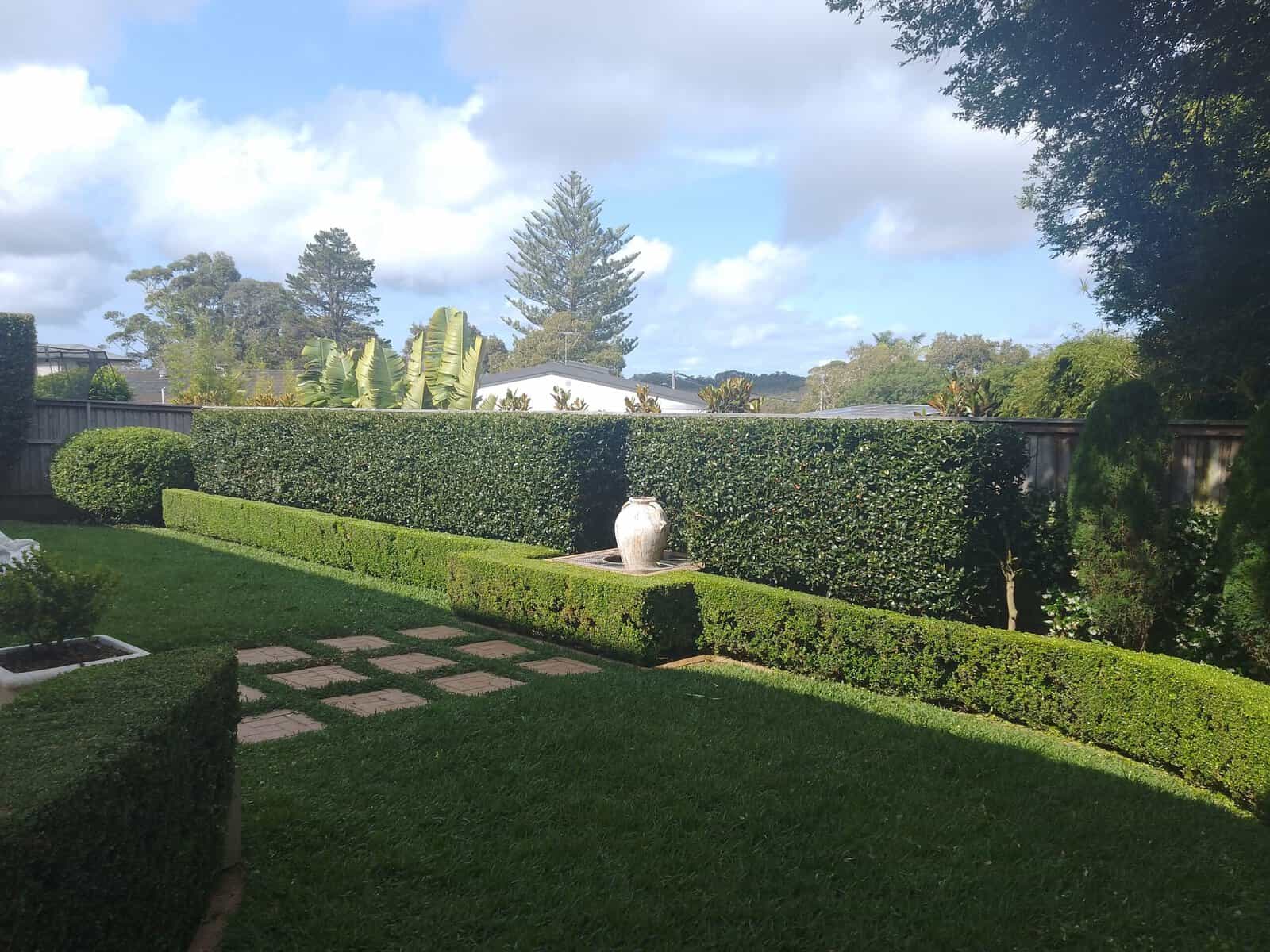
Fast-growing species such as Lilly Pilly, Murraya and Viburnum usually need trimming three to four times a year to stay crisp. Formal hedges like Buxus or English box look best with light trims every six to eight weeks during the growing season. Conifer screens such as Leighton Green may only need one or two trims a year, but they must be cut carefully because they do not reshoot from old wood.
The best schedule for most Sydney gardens is a tidy-up trim in early spring, a shaping trim in early summer, a clean-up in early autumn and, if needed, a light winter tidy. Spreading trims across the year keeps each cut light, which is healthier for the plant and cheaper for you.
If a hedge is left too long between trims, the job becomes a reduction rather than a trim. Heavy cuts take longer, cost more and can leave the hedge looking bare for months. A regular maintenance program is the easiest way to keep hedges dense, neat and under control.
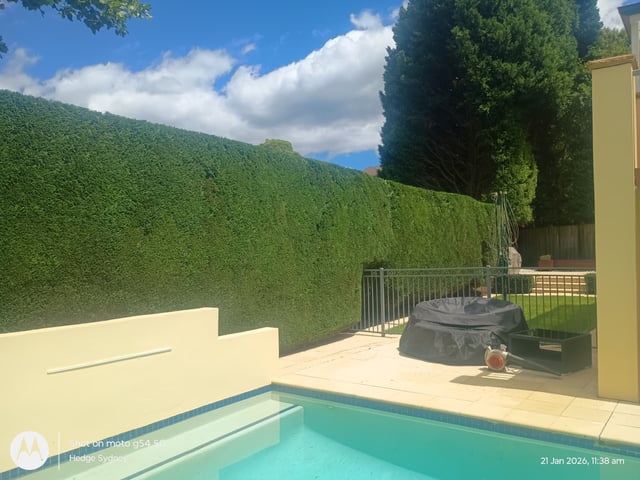
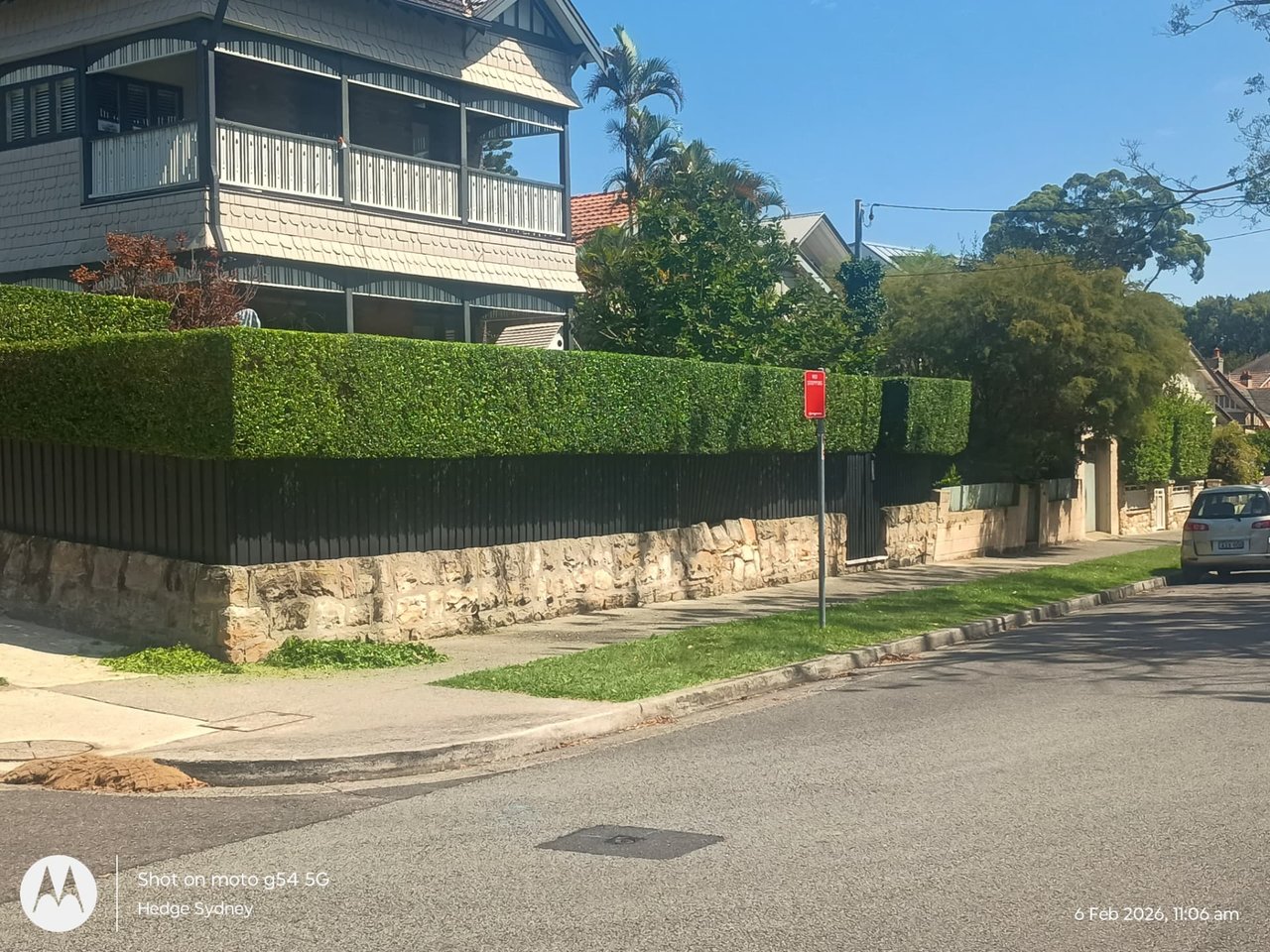
Position matters as much as species. A hedge in full northern sun with good soil can put on twice the growth of the same plant in a shaded side passage, so two identical hedges on one property may need different schedules. Hedges along driveways, footpaths and pool fences usually need an extra trim a year simply because encroachment becomes a hazard or a compliance issue long before the hedge looks untidy.
Wildlife rules should shape your timing too. Small birds nest in dense hedges from roughly August through January in Sydney, and it is worth checking a hedge before any heavy cut in that window; if there is an active nest, defer the trim or work around that section. Similarly, avoid major cutting during declared heatwaves — freshly exposed interior foliage burns quickly above about 35 degrees, and the damage often does not show for a fortnight.
Budget-wise, frequency is usually cheaper than intervention. Light, regular trims are quick, produce little green waste and keep the hedge within its established shape. Once a hedge is a year or two overdue, the same job becomes a reduction: more labour, more waste disposal, potentially access equipment, and a hedge that looks thin for a season afterwards. Booking a recurring schedule also means each visit is cut to the same lines, which is what produces the crisp, flat faces people associate with a professionally maintained hedge.